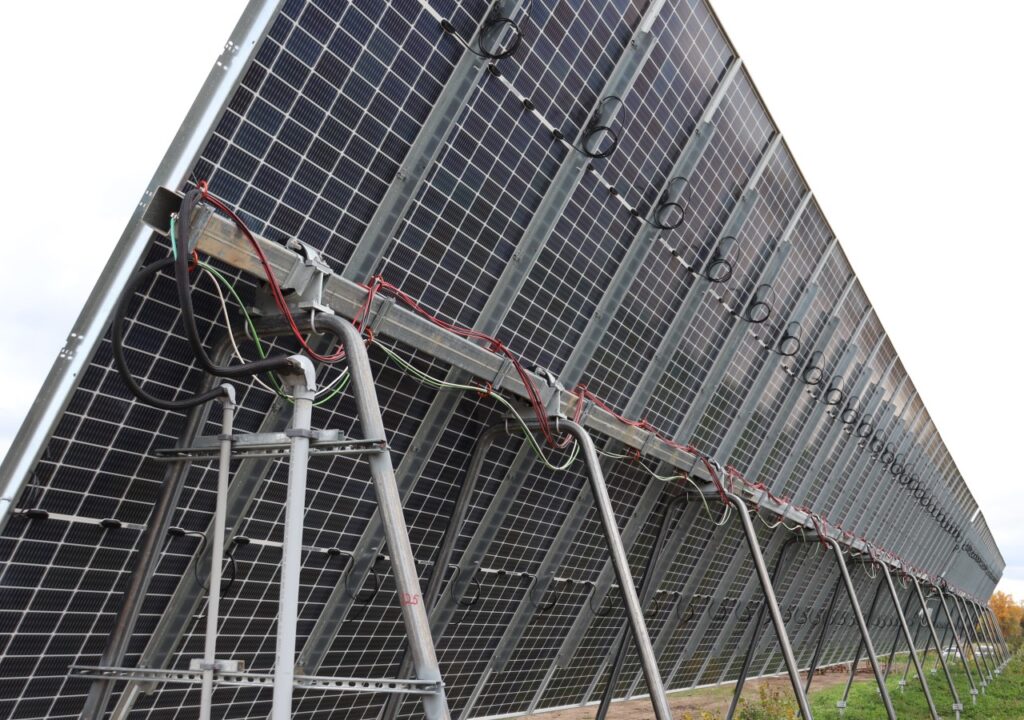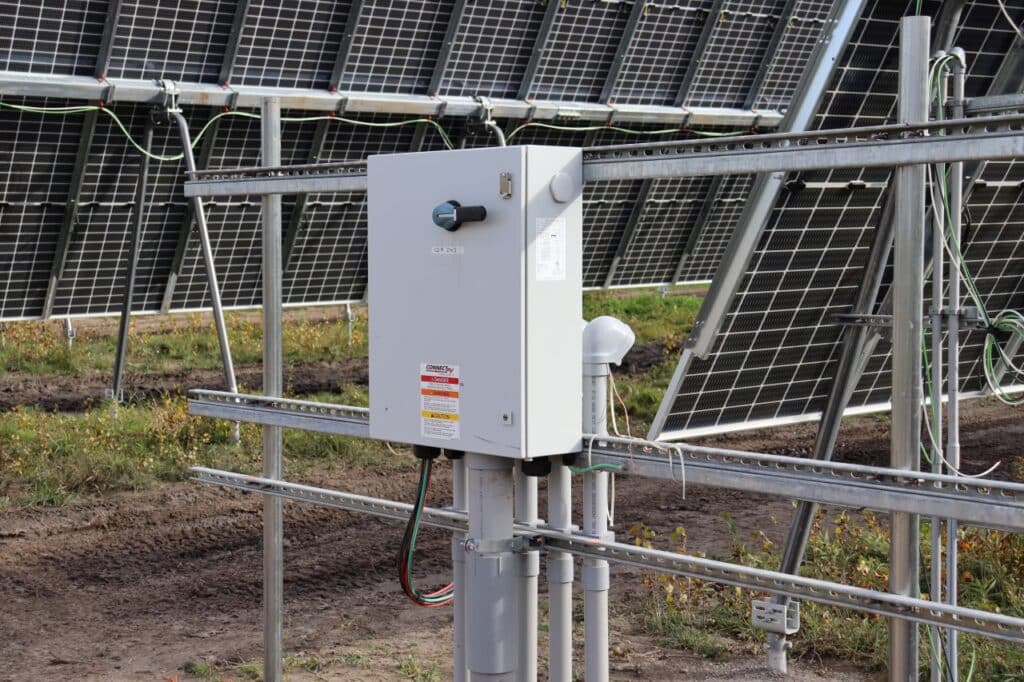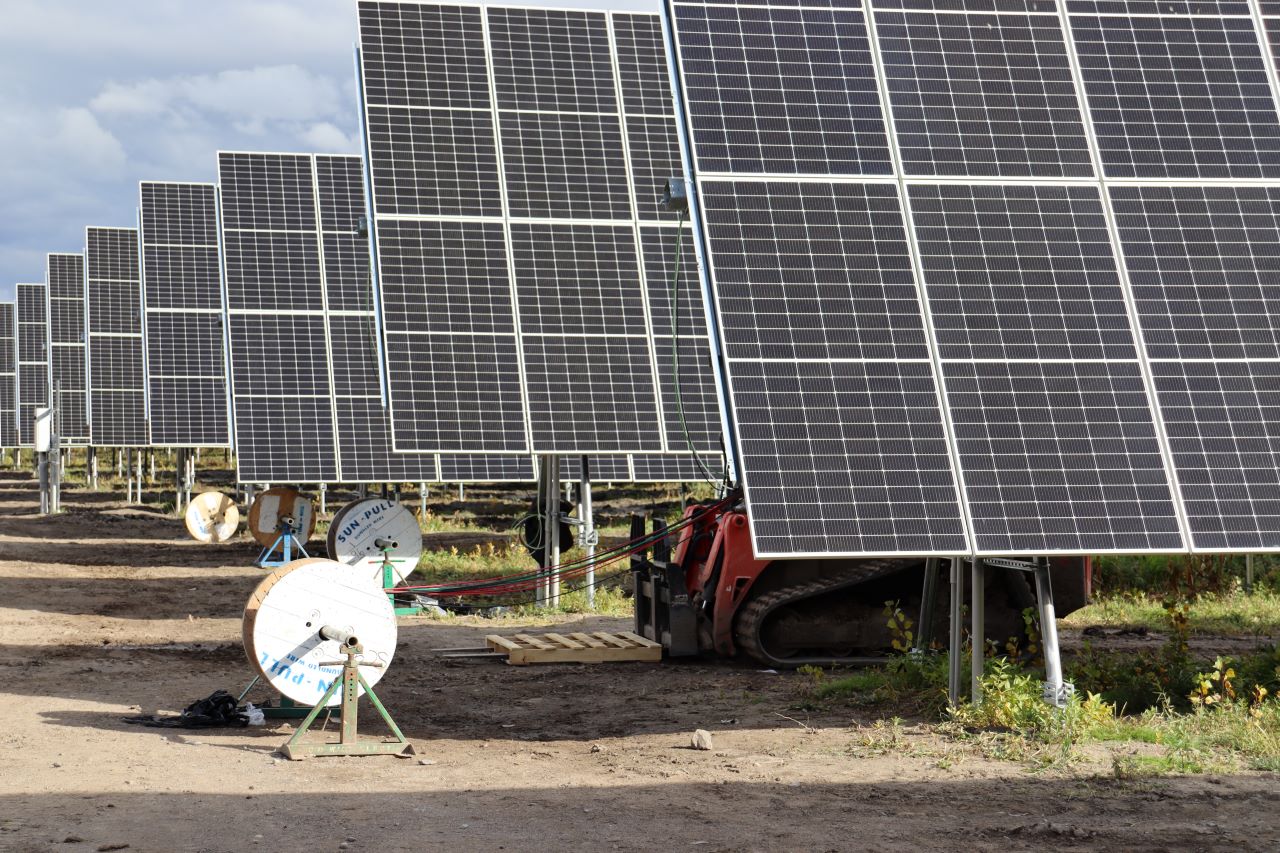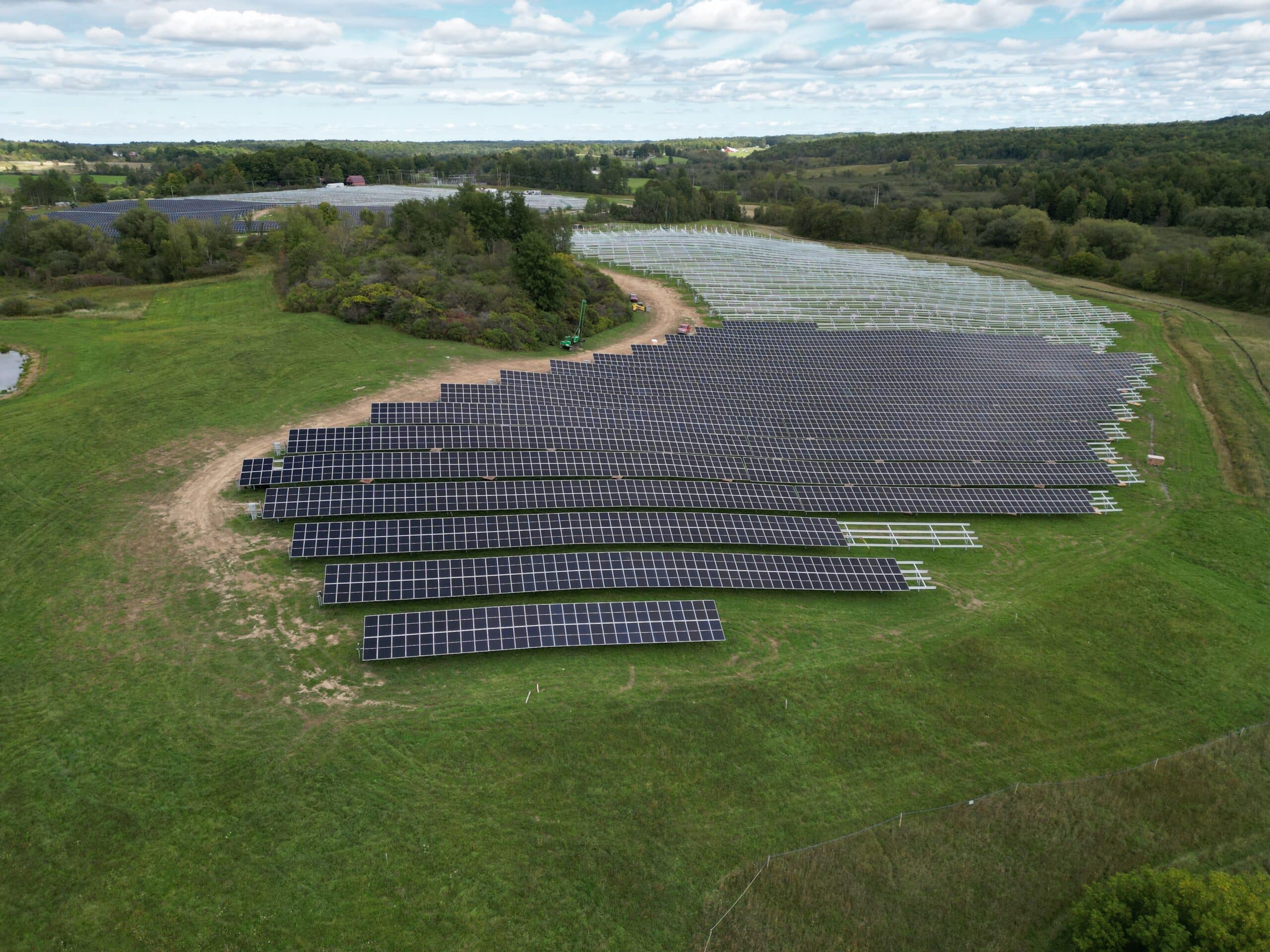
Dirty Jobs: Do Dust and Grime Lower Solar Panel Performance?

How often do you look around your house and realize everything is a dusty mess. 

You clean, wipe, and feather dust everything, but keeping everything tidy is a never-ending battle. 

Well, take solace that you’re not alone. Solar farms around the world deal with the same problem with varying results. 

Efficiency Killers 

The average solar panel has an efficiency rate above 20%, though some prototypes can perform better. 

But no matter how efficient your panels are, dirt, grime, and other schmutz are a constant threat. It might not seem like it at first glance, but solar panels are constantly picking up debris called soiling. If not taken care of, those particles can cause headaches for utilities, communities, and companies. 

Luckily, soiling doesn’t have to be an energy-generation killer. With some planning, proactive work, and emerging panel cleaning technology, it’s possible to easily maintain efficiency. 

What Causes Dirty Solar Panels? 

As with anything left outside, dust, dirt, pollen, and debris collect on panels over time. 

When dirt, dust, and other particles fall onto solar panels, they obscure the cells, leading to lower efficiency. Unfortunately, this is a common problem for many solar installations, especially those in sunny, desert areas. 

Dirty panels may not seem concerning, but even a little dust and debris can hurt production. According to the National Renewable Energy Laboratory, soiling accounts for as much as 7% of annual energy lost in the United States. Unfortunately, in even dustier areas like the Middle East, losses can be as much as half. 

Although lost energy is an issue, let’s face it: money can be an even larger motivator. MIT experts suggest even a 1% reduction in power from a 150 MW solar project could cause $200,000 in lost revenue annually. As panels take on more soiling, losses can quickly mount, resulting in lower ROIs. 

Of course, soiling does more than impair solar power generation – it can be a headache. In many cases, a good rainstorm can wash away most dust, dirt, and other messes, but that’s if there’s regular rain. In areas where rain is rare, moisture can combine with dirt and grime to create a much harder-to-remove filth. 

Sometimes, it may make sense for workers to use a water jet to clean solar panels. This process uses pure water to wash away soiling – any impurities can leave water spots and deposits. Another option for solar sites is dry brushing. Brushing is generally less effective than water and may potentially scratch or damage panels. 

Not all Soiling is Dirt 

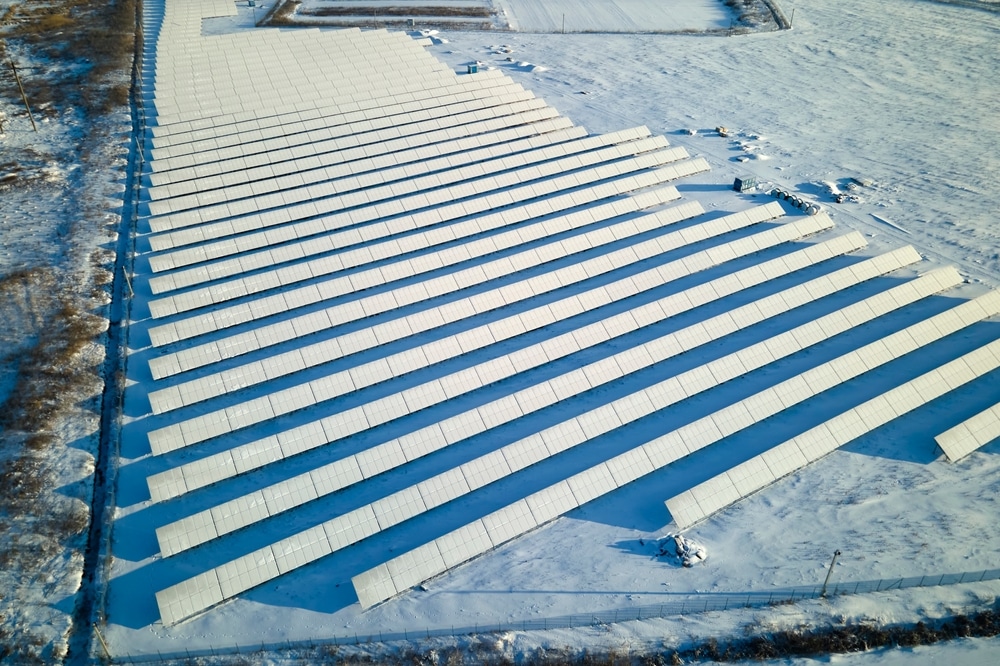
It might not cause the same issues as a thick layer of dust on a solar panel, but snow poses its own production risks. 

When snow lands on solar panels, it’s harder for sunlight to reach cells, limiting power generation. Beyond reducing power output, heavy snow can damage panels, racking systems, and sensitive tracking components. Workers must then replace expensive equipment, leading to further lost revenue. 

Unlike dirt and grime, snow is easier to deal with on a solar site. Workers can quickly remove snow with a soft bristle or foam brush, leaf blower, de-icing product, or heating system. Panels could also naturally clear themselves as snow and ice slide off the tilted panels. 

Melting snow and ice offers another benefit for solar sites, as the water may remove soiling. 

Powering Down: How Soiling Impacts Production 

When dust, bird droppings, dirt, snow, and other debris block solar panels, it can start a chain reaction impacting short- and long-term activity. 

But what types of problems can we expect, and when can we expect them? The answer isn’t always clear, but it depends on location, water resources, and cost. 

Reduced Power Generation 

We’ve covered this a little bit already, but when dust builds up on solar cells, it prevents them from collecting solar energy. 

Needless to say, a solar panel not collecting solar energy is a problem. Over time, more dust and grime build up on the panels, causing drastic production decreases. Even worse, soiling can cement onto the panels as dirt combines with resting liquids like dew or condensation. 

Soiling does more than impact initial energy output. Less generated power means less revenue, which hurts the bottom line and the project’s lifetime return on investment (ROI). 

Higher Maintenance Costs 

Dirty panels are more than a productivity killer – they can run up maintenance costs, too. 

If rain and melting snow can’t clean the panels naturally, crews might have to drive to the site and clean them. Unfortunately, cleaning solar panels isn’t as easy as hooking up a garden hose and getting to work.

NOTE: Never allow crews to clean panels using a pressure washer. High-pressure water can damage sensitive solar cells and panel seals, even from several feet away.

Utility-scale solar systems can cover hundreds of acres, requiring the services of a professional cleaning company. Depending on how they choose to clean, the company might need to bring in pure water – regular water can leave deposits on the panels. Cleaning crews also need specific cleaning tools to prevent scratches and other damage that could impact energy production. 

Another option could be to invest in a self-cleaning system. Although these systems increase upfront costs, they maximize efficiency over the installation’s lifespan. 

Shorter Panel Lifespans 

How often do we hear about the importance of changing our car’s oil to avoid catastrophic engine issues? 

The same “ounce of prevention” advice our uncles gave us years ago holds the same value when applied to solar systems. When soiling goes untreated, it puts the solar energy system at risk. 

Without regular cleaning, dirt and debris raises the operating temperature of the solar panel system, resulting in damage. If damage occurs, crews may need to repair or replace panels to regain lost efficiency. 

Worse yet, muck and grime could damage other parts and pieces in the solar system, including tracking components. These sensitive components are complex – anything preventing their movement will immediately impact performance and eventually cause them to break. 

Preventing Damage 

Despite the potential problems associated with soiling, keeping up with cleaning is sometimes surprisingly simple. 

Whether allowing nature to lend a hand or investing in top-notch tech, keeping panels clean isn’t always a battle. 

Let the Rain Help 

Sometimes, the easiest way to handle a dirty solar panel is to let nature take its course. 

Rain, wind, and snow do a good job of keeping solar panels clean, especially between scheduled cleanings. Depending on the panel’s angle and the environment, rain and snow might be enough to wash away dust, dirt, and other debris. However, flat panels may have difficulty self-cleaning because they lack tilt. 

In rainy or snowy regions, the weather can be an excellent way to maintain panel efficiency with little effort. During dry spells, dust and grime build up on the panels, but one or two rainstorms can quickly improve efficiency to near its maximum. 

Keep an Eye on Systems 

Problems are much easier to address early on than when left to grow. 

Monitoring systems attached to solar systems can detect power generation decreases using sensors, output metrics, or other tracking. Larger sites mean more sensors, especially on farms where conditions vary from one area to the next. 

Constant monitoring allows crews to investigate problems quickly and determine if they need to take action. 

Maintain a Regular Schedule 

Proper maintenance helps get the most out of every component throughout its lifespan. 

Just like changing a car’s oil regularly, set up a cleaning schedule for the solar site and follow it. Crews can clean panels in several ways but most commonly use water or soft brushes. 

Using pure water is the safest method for cleaning solar panels, but costly if it needs to be delivered by truck. Soft brushes or blower systems are a cheaper option but tend to be less effective. They also may risk scratching or damaging the thin film solar panels if done improperly. 

Beyond simple cleaning methods available today are developing technologies capable of cleaning solar panel surfaces without touching them. One solution uses electrostatic repulsion to magnetically remove dust from the panel’s surface, safely cleaning it without water. 

Join the Robot Revolution 

As our lives become more autonomous, robots and algorithms have taken on more of our daily work. 

Autonomous cleaning systems mounted onto the solar system can wipe dust from panels without humans. The process is successful in the Middle East, where sand and dust constantly threaten energy production. 

Solar companies have no shortage of automated cleaning systems, with dozens on the market today. Many operate on solar power, cleaning rows of panels without water. 

Keeping Up with a Constant Problem 

We can’t realistically protect solar panels from every bit of dust and debris. Luckily, we have plenty of tools to help us mitigate damage. 

It starts with finding optimal locations away from construction, agriculture, and trees. Later, it means investing in regular cleaning, using either water, brushing, or an automated system. Monitoring systems also play a role in reducing the threat of poor performance and lost productivity. 

The solar industry is booming, not only in the U.S. but around the world. As technology improves, other innovative solutions will soon come to market, keeping our panels clean and our future bright.

Will High Interest Rates Stifle Solar EPC Development?

Solar development is thriving across the United States, but why? 

While we can suggest growth is directly tied to climate change goals, nuance is missing. Climate change drives solar adoption, but maturing technology and lower costs influence it, too. 

Lower Costs, More Adoption 

New technology is always expensive when it first hits the market.  

Like electric vehicles, computers, and MP3 players, solar panels cost less than what they did when they were first sold. According to the National Renewable Energy Laboratory (NREL), the cost of residential, rooftop commercial, and utility-scale solar fell 64%, 69%, and 82%, respectively, from 2010 to 2020. 

In 2022, a tariff moratorium benefited the solar industry by allowing companies to import low-cost solar panels from Asia. Though the tariff is ending, it has given domestic manufacturers time to increase production. Domestic panels may be more expensive but cost less to ship and have a shorter supply chain. 

Soft costs are also improving, though more slowly than hard costs. Unfortunately, there isn’t one universal policy, leaving communities and states to create rules. This results in processes that slow down solar projects and potentially increase costs. 

Despite political and technical hiccups, solar installations are up. Solar Energy Industries Association (SEIA) data suggests solar accounted for 75% of new electricity capacity added in Q1 2024. The organization also mentioned utility solar projects were doing well, setting quarterly records in Q1 2024. 

But amongst all the excitement, a storm cloud could derail momentum. 

Tackling Climate Change with Solar 

Generating electricity isn’t always clean or cost-effective, but it’s part of our daily lives. 

Unlike fossil fuels, solar energy and other renewables are cheaper, cleaner, and infinitely available. As a result, solar farms are playing a critical role in upgrading our clean energy portfolio. 

According to the U.S. Energy Information Administration (EIA), the country added 15.8 GW of solar power from January to September 2023 – up 30% year-over-year. While it’s great news for the industry, the country, and the environment, the solar boom is facing headwinds. 

Wood Mackenzie, a data and analytics company, believes inflation could temper solar energy’s sunny outlook. When inflation rises beyond the normal range, it sends ripples throughout the economy. With inflation spiking in recent years, Wood Mackenzie fears the renewable market could be impacted more than other industries. 

The group says photovoltaic (PV) installations are expensive to establish, resulting in high investments and low returns. However, solar has long been an attractive choice because of its levelized cost of electricity (LCOE), a metric comparing different types of energy to one another. 

Solar has a much lower LCOE than fossil fuels like natural gas, but its advantage shrinks as inflation rises. 

Inflation Looms Large 

Inflation-wise, life was pretty good for many industries emerging from the Great Recession. 

Rates were low and steady, allowing businesses and the economy to flourish. But after more than a decade of stability, COVID-19 ruined the party. 

As the world reopened and life returned to normal, inflation boomed. By the middle of 2021, the 12-month inflation rate had risen to more than 5%. A year later, we saw inflation rates around 9%. The rate has cooled but still sits far above where it was only a few short years ago. 

Some inflation is good because it encourages businesses to invest, but excessive inflation does the opposite. Over time, higher inflation means less profit. High inflation makes operating costlier, ultimately hurting industry growth, especially in emerging markets. It also makes it harder to plan for future projects because money is “more expensive.” 

How Higher Inflation Affects Solar EPCs 

The simple response to the impact of inflation on the industry is to say, “Everything is more expensive.”  

However, several areas of solar development may feel the brunt more than others. 

Projects Are More Expensive 

When interest rates increase, so do financing costs

In straightforward terms, financing costs are tied to borrowing money for funding projects. These costs include loans, interest, and other fees. As these costs increase, it’s harder to afford more or larger projects. 

For solar sites, upfront costs make up the majority of expenses. Engineering, Procurement, and Construction (EPC) companies must purchase racking, solar panels, wiring, and connectors while juggling permits, taxes, and land costs. Once the project is complete, costs fall dramatically as maintenance and operation costs are much lower. 

Of course, the upfront costs bring new solar projects online. When rates are high, companies are less willing to jump into new projects. Over time, the number of delays increases alongside cancellations. 

A Ripple Effect 

Delayed or canceled projects have impacts far beyond one job. 

Higher interest rates may cause delays and cancellations, potentially impacting solar development in certain areas. With fewer projects, there aren’t as many jobs for installers, electricians, and other professionals. 

On the other hand, solar is still a growing industry with a shortage of qualified professionals. More delays may lead to fewer opportunities in the short term and more trouble finding labor if demand picks up. 

Additionally, as we saw during COVID-19, supply and demand metrics can throw the entire supply chain off. When interest rates are high and projects slow down, companies are less likely to hang onto inventory because it’s more expensive. When materials sit on shelves, it creates sunk costs because inventory isn’t moving. 

Supply chains could suffer, especially when the solar panel moratorium ends. For two years, solar installers have had access to low-cost panels from overseas, specifically East Asia. The moratorium was supposed to help increase domestic manufacturing, but the domestic supply still poses concerns.  

In this case, companies may have to pay more for materials while dealing with supply chain hiccups. 

Beating Back Inflation 

Inflation may be high, but there’s hope for companies, installers, and the industry. 

The Federal Reserve will likely reduce interest rates this year, but it’s not guaranteed. With that said, solar installers have options to reduce costs and keep projects moving. 

Take Advantage of the Inflation Reduction Act (IRA) 

The IRA has plenty of initiatives and incentives to encourage solar development. 

Some of the most common are ITC and PTC credits that kick in upfront or over time. For example, an ITC credit does not change based on variables, but a PTC credit could change based on project costs, other available credits, and even the environment the array is in. 

Expanding on the IRA’s benefits, the law also includes other incentives and programs for underserved regions. Their goal is to encourage the development of low-cost, reliable energy projects in rural, low-income, and tribal areas. 

Simplify Permitting 

One problem associated with solar development is navigating a maze of permitting red tape. 

Though the process has improved, states and communities may have vastly different procedures. Solar EPCs should look for communities, regions, and states welcoming solar. These areas are more likely to have simpler permitting processes, which can get projects off the ground faster. 

Several organizations and agencies have information available to streamline the permitting process, including: 

Improve Productivity 

Besides materials, labor is a massive cost center – especially on larger projects. 

Keeping projects on track often means using parts that reduce in-field work as much as possible. Pre-made components limit mistakes in the field because all parts have been tested before leaving the factory. They also allow crews to get on and off the site faster, letting them move on to the next project. 

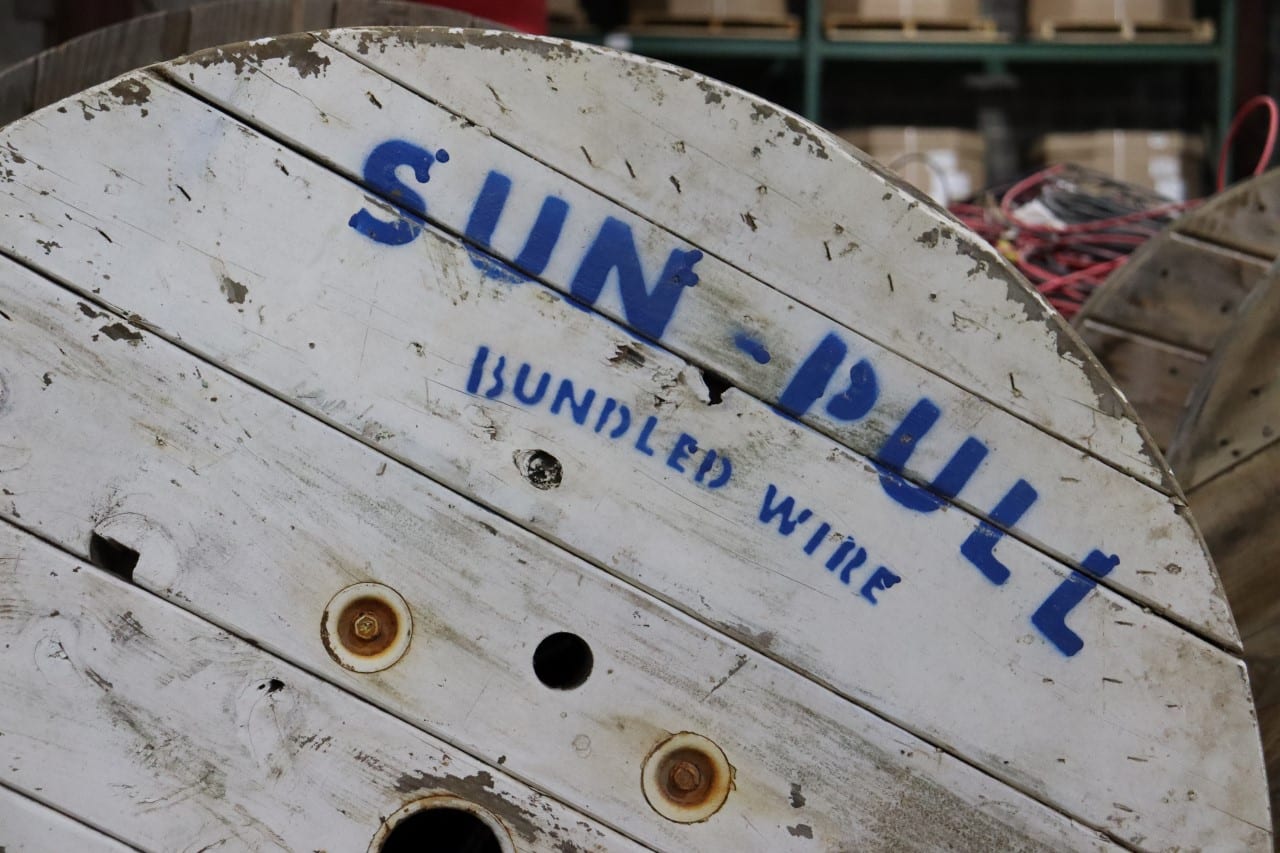
For example, bundled wire and pre-made PV connectors cost slightly more than single reels and field-made connectors. The higher cost is more than returned in savings, as workers can install PV wire up to 80% faster. Over several projects, the labor and time savings more than cover the extra cost with fewer workers on site. 

Light at the End of the Tunnel 

Inflation remains high but is slowly falling. 

As with anything in life, what goes up must come down. Construction input prices have slipped recently, leading some experts to take it as a sign of easing inflation. The hope is with softening prices, the Federal Reserve may cut interest rates in the coming months. 

Though construction is tangent to solar farm installation, it offers the economy hope. Solar EPCs are in a unique situation right now. Although costs are increasing in the short term, so is the demand for renewable energy. 

We thought the market might slow down, but it has stayed strong. This has encouraged installers and manufacturers to continue pushing for long-term projects and development. Meanwhile, the industry is navigating a labor shortage, opening the door for people to access high-paying solar jobs. 

The industry is stronger than ever, prompting companies, utilities, and communities to invest in solar. These installations provide clean power to the electrical grid and help reduce greenhouse gas emissions caused by fossil fuels. 

EPCs still have options to save money despite the economic environment. It only requires forward-thinking site placement, permitting strategies, material sourcing, and labor decisions.

Bright Idea: Converting Brownfields into Solar Farms

Go for a drive anywhere in the United States, and you probably won’t be far from a current or former brownfield site. 

According to the Environmental Protection Agency (EPA), more than 450,000 brownfields litter the U.S. But what is a brownfield, and why are governmental, public, and private organizations so interested in them? 

As it turns out, brownfields may play a vital role in our ongoing solar energy development. The EPA defines a brownfield site as “a property where expansion, redevelopment or reuse may be complicated by the presence or potential presence of a hazardous substance, pollutant or contaminant.” 

Typically, brownfields are former locations used for industrial or commercial activities, including manufacturing, storage, or processing. Using this explanation, examples include factories, gas stations, railyards, and landfills. 

Unfortunately, their ties to chemicals, heavy metals, and other potential pollutants make them unattractive development sites. Unlike greenfield locations, which are undeveloped pieces of land ripe for expansion, brownfields require rehabilitation before use. 

Not Every Brownfield is the Same 

Although every brownfield requires cleanup before reuse, some need more than others. 

Depending on the location and surrounding area, rehabilitation could be worthwhile. Some sites have found new lives as golf courses, offices, shopping areas, mixed-use spaces, and even solar farms. 

But none of this happens without investment, and even then, it could be years before a site is ready for development. However, with enough time, money, and work, formerly forgotten properties can find new life and return to the tax rolls. 

From Brown to Bright 

One type of brownfield receiving a lot of interest from the solar community these days is landfills. 

Landfills are disposal sites for municipal solid waste (MSW), construction and demolition debris (D&C), and hazardous waste. There are two types of facilities: Subtitle D programs, which include non-hazardous municipal and industrial solid waste, and Subtitle C programs, which accept hazardous waste. 

Depending on the location, your local dump can operate for decades, collecting and compacting community garbage. But, like everything else in life, the good times have to end eventually, setting the stage for decommissioning. 

Once the landfill reaches capacity, workers pack it down, install mitigation systems for gas and water to escape, cap it with soil and plants to prevent contamination, and closely monitor it for 30 years.  

While this might seem like the end of the story, solar energy is breathing new life into former dumps. 

Making Something Out of Nothing 

According to a 2021 RMI report, the U.S. has over 10,000 closed or inactive landfill sites. 

Seeing an opportunity, the EPA launched the RE-Powering America’s Land Initiative. The program promotes renewable energy projects on former industrial sites like landfills, mines, and other forgotten places. 

So far, the RE-Powering program has completed 530 projects and installed 2,580 MW of power, including 93% from solar and 5% wind. Even more importantly, the program has completed brownfield redevelopment projects in nearly every U.S. state

Every state is different, but some offer financial incentives or streamlined permitting processes to rehabilitate brownfields. Certain states, like New Jersey, New York, and Massachusetts, offer both! 

But what has the program done for former dumping grounds? 

Small Projects, Massive Impact 

Of the 530 projects touted by the RE-Powering program, 60% (318) sit on top of landfills or landfill buffers. Though most of the solar projects generate less than 5MW of power, 16 produce more than 20MW of electricity. 

The EPA’s RE-Powering program is only one of many federal, state, and local projects promoting brownfield redevelopment. For example, Governmental agencies like the Departments of Energy and Transportation tackle national initiatives, while others, like the Appalachian Regional Commission, focus on specific areas. 

According to the EPA, its programs and grants, including the Brownfields Revitalization Act, are making a difference. Through 2023, grant recipients leveraged about $20 per EPA brownfield grant dollar received. But grant money is often only one part of the brownfield puzzle. The agency highlights strong partnerships between local governments, organizations, and public/private groups to find more money. 

Despite the financial costs, federal, state, and local initiatives are addressing several long-term issues at the same time. They are finding new and creative ways to reuse brownfields and meet increasing electricity demand. 

Why Landfills Make Great Solar Sites 

Let’s be real: landfills are often not great spots to put a community park. However, they’re excellent places to set up a solar site. 

But what makes a landfill conversion so alluring for solar development? Turns out former dumping grounds are a popular choice for several reasons. 

  • Landfills are not prime real estate development targets. They require money, time, and labor to rehabilitate and carry the stigma of former pollution. 
  • Dumps tend to be in areas near roads and electrical transmission lines. Their placement makes it easier for solar energy producers to move power from the site to the electrical grid. 
  • Landfill sites may already be zoned for renewable energy development, streamlining the planning and permitting process. 
  • Solar sites near populated areas like towns may have access to guaranteed power buyers, especially in high-demand regions. 
  • Landfills have a welcoming landscape for solar energy, with little shade, unobstructed views, and even hilltop access in some instances. 
  • The land is typically cheap, making it attractive for some buyers willing to pay for rehabilitation. 
  • Depending on their size, dumps can accommodate community- or even utility-scale projects. 

Combine this with the growing number of local and state incentives available, and it makes sense why landfills have become part of the clean energy game plan. 

Potential Concerns 

Like any other prospective site, former landfills come with considerations affecting the project. 

Brownfields require special attention because of former pollution, hazardous waste, or other environmental concerns. Bulldozing everything in sight creates more problems than solutions, and developers must show restraint. 

Solar developers need to be careful around the cap.  

Grading the land is one of the first things developers do when they install a solar array. Unfortunately, grating and excavating to level land for the solar racking can damage the cap. If equipment damages the cap, contaminants and gas could escape into the air and water. 

To prevent unnecessary damage, stage heavy equipment away from the cap. If crews need to grade or excavate the area, do it carefully. And ALWAYS follow state and federal rules to avoid dangerous situations. 

Don’t penetrate the cap or damage the landfill’s mitigation system. 

The cap prevents methane and other gases from escaping outside specially controlled areas. Damage to the system could result in dangerous leaks that put the entire operation at risk. 

If an employee damages the mitigation, monitoring, piping, or other systems, it could result in dangerous gases escaping. The gas could then ignite if it encounters an accidental spark or arc. 

Dust poses a risk to workers and the community. 

Dust is simply part of the job during every solar installation but takes on a different tone at a landfill site. 

During grading and installation for a standard solar project, most crews use water trucks to moisten dirt and keep dust from flying around. The problem is that water trucks are heavy. 

Heavy water trucks and other equipment can damage underground gas and drainage systems. They should not drive on the cap if they don’t need to and be careful when required to be near fragile systems.  

Erosion and stormwater runoff are always a threat. 

Landfills have systems in place to remove water from a capped site. When rain or other liquid enters the landfill, these systems quickly flush it out to prevent damage. 

When crews grade and excavate sites, it opens the door for moisture to enter the system. Grading removes vegetation and dirt from the top of the cap, allowing water to penetrate. When that happens, it can flood landfill gas piping, preventing gas extraction. 

Hard rain can cause more cap erosion and slope instability, reducing the cap’s effectiveness. 

New Life for Old Sites 

Thanks to their location and design, landfills have become an attractive choice for solar companies. 

Beyond generating low-cost electricity on redeveloped land, landfill solar farms create a host of other benefits, including: 

  • High-paying jobs in a rapidly expanding solar industry 
  • Increase tax revenue for communities where solar farms live. Solar companies reintroduce vacant or abandoned properties to the tax roll. 
  • Fewer brownfields. When companies clean up and redevelop sites, they remove many (but not all) contaminants from the location. 

As solar energy expands across the U.S., more landfills will inevitably become solar sites. For solar EPCs, utilities, and innovative companies, there are plenty of opportunities to take advantage of ongoing development programs.  

These programs streamline the solar process, especially in states embracing renewable energy across the Northeast and mid-Atlantic. Other programs may be available on a state-by-state basis but could require more research. 

Are you interested in brownfield redevelopment? Programs like the RE-Powering America’s Land Initiative are changing the landscape, but it’s a long-term effort requiring time, money, and work. 

Talk with your state’s environmental representatives or contact your regional EPA office to learn more.

Making the Case for Prefabricated Solar PV Wire Solutions

Driving past a solar installation sometimes feels daunting. Arrays can have dozens of rows of panels, stretching on for what feels like miles. 

Not only are some solar energy projects massive, but they’re also complex. Companies have hundreds of variables to consider, and the process takes years from initial planning to completion. They also cost millions of dollars between installing solar panels, securing permits, doing tests, and paying employees. 

Solar EPCs always try to manage costs, reduce installation times, and produce better results. While hard costs like solar panels and PV wire have fallen over the years, soft costs like permitting, taxes, and labor haven’t shown the same decline. 

How can companies save money on soft costs? The answer may be found in the wire holding everything together. 

Small Cost, Massive Impact 

When we look at the total cost of a utility-scale solar energy system, PV wire is low on the list. 

However, choosing the right solar wire can save time and money on your solar project installation. For example, prefabricated wires have a higher upfront cost but slash installation times. 

So, how do bundled, prefabricated solutions make the most of their engineering to save time and money? It all comes down to ease of use, consistency, and automation. 

When combined, teams can shave hours and dollars off their projects without additional effort. 

Why Do Installers Choose Pre-Fab Solutions? 

Despite all the planning and effort, sometimes you get what you pay for. 

Using single PV cables for a rooftop solar system is fine, but they can slow a utility-scale project to a crawl. Bundled pre-fab cables remove constant trips up and down each row, replacing them with one pass. 

For the average project, not making multiple trips shaves hours off each row and days off a project. But beyond faster installations, why are solar companies choosing pre-fab wire products? 

Wires are Pre-Cut and Factory Assembled 

What is the difference between a pair of jeans purchased off the rack and a custom-tailored pair? 

Jeans from the store come in many sizes, but they only offer a general fit. Meanwhile, custom-tailored jeans are specifically manufactured to fit you and only you. The same concept applies to buying single wire reels versus pre-fab bundled wire. 

Manufacturers cut pre-fab bundled cable to specific lengths matching the project’s layout, preventing wasted wire. The manufacturer also properly installs connectors, performs quality control testing, adds labels, and mounts the cable to reels. 

Not only are the manufactured cables ready to install as soon as they reach the job site, but workers don’t have to cut, crimp, or install connectors themselves. 

Less Room for Mistakes 

Employees on the job site often have varying skill levels and experience. 

Small mistakes, like a loose connection, can have dangerous implications. Fires, arcs, and shorts may cause severe damage and cost hundreds of thousands of dollars to repair or replace. 

Factory testing eliminates many issues before installation occurs. The manufacturer is also much more consistent than multiple workers on the job site. 

The other thing installers like about pre-fab wire solutions is the exact measurements used to cut each wire to length. Single wire reels often create waste during installation. Despite the higher cost, pre-fab solutions limit scrap and speed up installs because workers can immediately use them. 

Building on Labor Savings 

Pre-fab solar power cables help workers make fewer mistakes, but do they make installers faster?  
 
Instead of walking cables one at a time down the row to each solar panel, installers make one trip with all the cables. Once they reach the end of the row, they walk back down and connect each wire in the bundle to its corresponding panel. Customers can have cables marked as well, further reducing accidents and miscommunication. 

Pre-fab solutions, including bundled wire, limit opportunities for mistakes. The faster speeds also reduce labor costs dramatically, sometimes by as much as 80%.

Besides allowing works to move more swiftly on the worksite, pre-fab solutions also make solar installation teams more efficient. In many states, including those across the Northeast, solar projects ramp up in the spring and slow down toward the end of fall for the winter season. The ebb and flow of project seasonality, which is a challenge for many solar companies. 
 
When teams are using pre-fab bundled wire, projects are completed more quickly with fewer people. In turn, crews can work on more jobs during the busy season, and companies benefit from better labor allocation and shorter ramp-up and ramp-down times. 

Safer Installs 

Prefabricated PV wires are easier to work with, simplifying the job. 

Think about field-made connectors for a second. Depending on the workers’ experience, they could make mistakes as they strip, crimp, and attach connectors to the wires. While issues may not appear immediately, they could develop over the long term, limiting power generation. 

Bundled solutions remove the guesswork from the installation process. Workers only attach the connectors to the panels and the combiner box to power the system. 

Beyond being easy to use, prefabricated bundled wire is also cleaner, as there’s only one bundle of wires to worry about. The result is an organized installation with fewer mix-ups and nicer-looking outcomes free of tangled wire. 

Short- and Long-Term Savings 

Pre-fab wire solutions like bundled cable cost more than single cable options but save time and money on labor. 

Single wire reels work for small residential solar panel systems but bog down larger projects, like utility and community solar. Running single-wire reels is inefficient, more error-prone, and opens the door for waste. 

Combining the wires for a row together shortens installation times and gets workers on and off the site faster. Best yet, potential savings increase as the projects get bigger. 

Bundled Wire Leads to Better Installs 

The United States relies on clean energy more than ever, so investing in solar improvements is critical. 

Solar array technology has improved dramatically, from bifacial panels and tracking systems to more effective connectors and accessories. The same can be said for PV wire, too. 

Bundled PV wire solutions allow employees to do better work faster. Solar installations can then produce energy sooner, leading to lower electric bills for communities and businesses. 

That’s good news for everyone.

What Happens When the U.S. Solar Moratorium Ends?

When the Biden administration implemented a tariff moratorium in June 2022 on solar panels and other products, the goal was to encourage more solar development while domestic producers and manufacturers could catch up.  

Fast forward nearly two years later, and the moratorium is about to expire. While some companies and industries have prepared for this day, others have been feverishly looking for alternatives. But with only a couple of months to go before new tariffs kick in, what can we expect to happen? 

The biggest questions we currently face are related to ongoing solar development. What will happen to current projects relying on foreign solar panels? Who stands to benefit most from reimplementing tariffs, and who could lose? How will disruptions like this impact our renewable energy goals?

How We Got Here 

The U.S. solar industry has been growing for years, mainly because of low-cost solar panels from China, but their relationship has had its difficulties. 

In 2012, the United States placed anti-dumping duties on Chinese photovoltaic (PV) panels containing crystalline silicon. Anti-dumping duties are a defense mechanism governments use to protect domestic producers from below-fair-market value products imported from overseas. 

Chinese manufacturers soon began moving their solar operations to Taiwan to avoid the tariffs. Not long after, in 2015, the U.S. expanded its duties to include Taiwan, too. 

By early 2022, the situation had bubbled into a full-blown problem. The U.S. Department of Commerce began investigating possible tariff circumvention by China through four additional countries, including Malaysia, Vietnam, Thailand, and Cambodia.  

One year later, the Commerce Department confirmed five companies out of eight investigated had circumvented anti-dumping duties. Other companies not under investigation at the time were also found to be skirting the tariffs.

So, Why Did We Issue a Moratorium? 

There has clearly been some bad blood brewing between the U.S. and China. But why did the U.S. issue a moratorium on solar panels, racking, and other components from Malaysia, Vietnam, Thailand, and Cambodia? 

Long story short – it had to. Thanks to the moratorium, solar projects could continue without delays. It also allowed the industry to keep growing while domestic production ramped up.  

The government also had time to investigate the circumvention allegations without handcuffing the solar industry during a vulnerable time.

The Sun is Shining for Solar. Why? 

By all accounts, 2023 was a fantastic year for solar generation. 

In 2023, the U.S. added more than 30 GWdc of solar power to the grid, accounting for more than half of all new electricity. But more solar power means more than just more electricity.  

Solar Energy Industries Association (SEIA) president and CEO Abigail Ross Hopper says solar energy generates tons of money through investments and jobs. 

“Nearly half of all solar capacity on the grid today has been installed in the last three years, generating over $120 billion of private investment and thousands of jobs across all 50 states,” Hopper explained. 

But a lot of importing had to happen to get to this point. In the first quarter to the third quarter of 2023, the United States imported about 40.6 GWdc of PV modules. In most cases, the panels were exempt from Section 201 duties, which protect domestic industries from import threats. 

Looking Ahead 

The SEIA forecasts another strong year for solar in 2024, though it will likely be less impressive than last year’s growth.  

Experts predict double-digit increases for commercial, community, and utility-scale solar this year, but residential install rates may slow. The organization attributes the potential slowdown to higher interest rates keeping homeowners on the sidelines until conditions improve.

  • Commercial – 19%  
  • Community – 15%  
  • Utility – 26%  
  • Residential – (13%) 

The states leading the charge are also the ones you would expect, with a couple of surprises. Texas, California, and Florida are sunny states with plenty of room for solar arrays. Colorado and Ohio, two surprising states making strides, are leveraging clean energy initiatives and solar-adjacent industries, respectively, to add renewable energy to the grid.

Solar Expansion Isn’t All Because of the Moratorium 

The moratorium affected the U.S. solar industry, but was it as significant as some may believe? 

It stabilized short-term supply chains for solar companies and allowed domestic producers to increase production. A steady supply of low-cost solar panels from Asia kept U.S. solar projects on time while preventing delays and cancellations that could have set the industry back. 

But the moratorium was only one piece of the solar puzzle. 

Price is generally an issue for new and emerging technology but is less problematic as it ages and improves. Solar panels are a prime example of this idea in action. Module prices have fallen 99.8% since 1976, including an astounding 15% per year between 2010 and 2020. 

Solar technology is getting better and more affordable every year, opening the door for mass adoption. 

But what good are solar arrays if communities and utilities have issues storing the vast amount of electricity produced? Utilities use fossil fuels when renewable energy sources like solar and wind are not generating enough power. As we move away from fossil fuels for renewable options, the need for battery storage becomes more critical. 

Battery storage costs have fallen at nearly the same pace as solar panels, slipping 85% over the course of a decade. Installing batteries to store electricity is becoming a more cost-effective solution for temporary increases in energy production.

Leaning Into Solar 

The hard costs of solar have long been a barrier to entry for solar companies, utilities, and homeowners. Luckily, the tide is turning and opening the door for more Americans, including those in smaller rural communities, to participate in low-cost electrical production. 

Hard costs have fallen steadily as technology, supply chains, and, most importantly, availability improve. At the same time, panel efficiency and battery storage are hitting record highs and showing no signs of slowing down. 

Unfortunately, unpredictable solar soft costs are a thorn in the side of utilities, companies, and community-scale solar projects. These costs are often difficult to gauge because different states have different permitting processes. Some states are also more solar-friendly than others.

Attractive Tax Incentives 

How does the government encourage more domestic manufacturing and renewable energy adoption in the U.S.? 

It all starts with making the right investments. 

Federal ITC (Investment Tax Credit) and PTC (Production Tax Credit) adders are an attractive incentive for solar companies and utilities. ITCs reduce upfront costs, making solar projects more affordable and helping generate profits faster. PTCs are more long-term incentives to encourage larger projects to help more consumers. 

Individual states, like Rhode Island, California, New York, Texas, and Florida, have many policies and incentives to spur solar projects. These can range from tax credits or deferrals to renewable energy certificates. Each incentive drives down investment costs while creating low-cost energy for consumers. 

Federal and state programs work together to promote cleaner sources of energy that generate electricity for consumers without raising electric bills. Consumers also have a say in renewable energy, opting for cleaner community-based options with fewer environmental impacts.

What Happens When the Moratorium Ends? 

June is quickly approaching, and with it comes the end of the solar panel moratorium. What happens after that is somewhat of a mystery. 

Prices will likely rise as the tariffs tack on more import taxes. Meanwhile, domestic production of photovoltaic cells, panels, and other solar system parts is starting to take off.  

There are currently 16 solar manufacturers in the U.S., including First Solar, the largest utility and community solar producer. The increase in domestic production has also brought in several large-scale international players, including QCells, whose solar panels are a leader in the residential market. 

The Supply Chain Could Hiccup 

The solar panel supply chain will not fall apart, but it could face strain caused by companies looking for other options. 

Why would companies look for other options if there isn’t a shortage of overseas panels? The panels may still be more cost-effective than U.S.-made ones, but tariffs, duties, and other taxes can drastically affect the cost of those PV products. 

Companies are always looking for more cost-effective solutions to bolster the bottom line. If doing business with Asia is too expensive, solar installers may consider using manufacturers in other countries. However, it takes time to set up new sources, which could add time to shipping and create delays. 

Domestic production would likely reduce supply chain delays eventually, but the products are more expensive. Companies also don’t have enough supply to address total demand – but that will change as more manufacturers come online. 

Although higher domestic prices seem similar to overseas tariffs, the shorter domestic supply chain reduces potential delays.

Short-term Struggles Lead to Long-Term Progress 

Ending the moratorium doesn’t mean U.S. solar companies will lose access to overseas solar panels and other products. 

If anything, it allows the U.S. to compete on a level playing field with other major exporters. Solar growth may slow in 2024 and even into 2025, but it will not be a death knell. Domestic manufacturing is rising, and the benefits far outweigh the perceived negatives. 

The United States has a lot riding on its renewable energy programs, including solar and wind. Developing and bolstering manufacturing tied to those industries helps us one day produce electricity without relying on traditional fossil fuels. It also opens the door for us to export our own products to other countries. 

We have a unique opportunity to address electrical grid reliability while reducing greenhouse gases. As with anything, it will take time, investment, and labor, but the country is making strides toward a cleaner future.

PURPA 101: How a 45-Year-Old Law Impacts Solar EPCs Today

When the Public Utility Regulatory Policies Act (PURPA) was signed into law on November 9, 1978, it put the wheels in motion for renewable energy to thrive. 

PURPA was designed to address an oil crisis that had gripped the United States throughout the early 1970s and prevent future issues from happening by fostering more domestic energy independence, and its goals were simple:

  • Address and improve U.S. electric use 
  • Create pathways for better electrical utility energy efficiency 
  • Drive better rates for consumers and increase market competition 
  • Provide avenues for renewable energy development 

At the time of PURPA’s enactment, hydroelectric was a major renewable energy player. Since then, the industry has exploded with the expansion of solar energy systems, wind turbines, geothermal, biomass, and others. 

Several forward-thinking states, including New York, California, North Carolina, and Arizona, are leading the way. These states are investing in renewable energy at scale, enacting renewable portfolio standards, making permitting easier, and opening the door for companies to take advantage of substantial tax incentives. 

Today, more than 21% of our energy comes from renewable sources like solar and wind. We’ve also made massive strides toward diversifying energy sources while curbing fossil fuel use and making long-term commitments to renewable energy use.

What is PURPA? What Does It Do? 

Simply put, PURPA promotes energy diversification and competition in the electric generation industry. Though the word of the law sounds great, how does it translate to the real world? 

Qualifying Facilities and Avoided Costs 

Under PURPA, utilities must buy electricity from qualifying facilities at an “avoided cost.” This might sound like a packed sentence full of industry jargon, but the process allows utilities and renewable energy generators to work together peacefully. 

The first thing to do is explain what qualifying facilities (QFs) are. A qualifying facility is an energy production site generating less than 80MW of renewable power. It can also be a small co-generation plant producing electricity and thermal energy using a singular fuel source. Depending on the situation, the site must fit the descriptions in 16 U.S.C. §796(18)(A) and 18 CFR 292.203

Now that qualifying facilities have been explained, it’s time to move on to avoided costs. Avoided costs are the amount a utility company must pay a renewable energy generator for its energy. The cost is equal to the amount the utility would avoid by not producing the same amount of electricity but can be based on other negotiated rates. 

The avoided cost rules were updated with 2005’s Energy Policy Act, removing the mandatory purchasing rule for utilities in competitive wholesale markets for qualifying facilities larger than 20 MW. The rule remained unchanged for smaller electric power generators producing less than 20 MW, even in competitive markets.

Who Benefits from Avoided Costs? 

Avoided costs sound like something designed to handcuff utilities to renewable producers, but both operators benefit. 

Utilities avoid generating electricity when they don’t have to, leaving room for increased capacity when more power is needed. Purchasing electricity from companies using renewable sources like solar panels and wind turbines also helps offset pollution caused by traditional fossil fuels like coal, oil, or natural gas. 

Renewable energy producers benefit from avoided costs because they receive a guaranteed market to sell into. Because the utility must buy electricity from the renewable generating company, solar EPCs (Engineering, Procurement, and Construction) can better manage costs associated with installing panels, interconnections, and everything else tied to coming online. 

Renewable companies also qualify for state and federal exemptions that help reduce operational friction. These include mandatory purchase agreements, interconnection guarantees, and other requirements like public utility regulation and taxation from states. The rules help get renewable projects off the ground more quickly and profitably so they can start supplying electricity to consumers.

Why PURPA Makes Sense for Solar 

Although PURPA supports all types of renewable power, solar energy producers have taken advantage of the law in several ways. 

Fair Competition – Consumers get lower costs for electricity based on available and affordable options. By requiring utilities to buy renewable power, consumers benefit from more energy diversity and can choose what power they want. 

Environmentally Friendly – PURPA has been instrumental in adding more than 100 GW of renewable electricity to the grid. The increase in renewable power has also lowered our dependence on domestic and foreign fossil fuels while bolstering clean energy. 

Better Financing – Several tax credits associated with PURPA make it easier and affordable for solar EPCs to establish energy projects. Investment Tax Credits (ITCs), Production Tax Credits (PTCs), and even property and sales tax exemptions are just a few credits installers enjoy. 

Rules also provide small solar sites with a safety net in the form of guaranteed energy purchasers and markets. 

PURPA Gets an Update 

The 1970s had its share of turbulence, and the U.S. economy was much different than it is today. 

When PURPA was signed into law, the country had just recovered from a severe oil crisis, and there were legitimate concerns about natural gas supplies. Today, we have vast natural gas stores and low-cost energy production methods. 

Unfortunately, the gas crisis of the 1970s has been replaced by climate concerns, and countries are pushing to become carbon neutral by 2050. The situation has forced the U.S. to reexamine what PURPA is trying to accomplish and rework the law to fit today’s changing needs. 

The law has been through several amendments, most recently in 2020. Order 872 has been controversial but modernized several parts of PURPA to fit today’s economic climate. Depending on who you ask, the changes aren’t all for the better, but the goal is to make things as fair as possible for solar installers, utilities, and end consumers.

Avoided Costs Get Adjusted 

In the early days of PURPA, utilities could be locked into long-term fixed energy rates that sometimes meant paying far more for electricity than it cost to produce. 

The new rule allows for more flexibility in pricing using multiple indexes and sources, making for a better, more accurate, and transparent pricing structure. Though the rule impacts costs, it doesn’t touch capacity rates, which control how much electricity is produced. Still, losing the long-term energy pricing contracts could make it harder for solar installers to finance projects. 

Order 872 also changed the criteria for locking in long-term contracts. Previously, projects could lock in using power purchase or other agreements. Now it is moving toward companies showing financial viability before finalizing contracts.

The One Mile Rule 

Under the old rule, capacity was capped at 80 MW for same-site facilities, including energy facilities of the same type found within a mile of a Qualifying Facility. 

The new rule is similar but adds a 10-mile rebuttal. Anything further than 10 miles from the QF is now considered a separate site. This means facilities with the same power source less than 10 miles from a QF can qualify as the same site, including them in the 80 MW capacity.

Competitive Market Access 

Under this rule, utilities can avoid power purchase agreements if the Qualifying Facilities can access competitive markets. 

The old rule established the threshold for QFs to sell to utilities for avoided costs at 20 MW but has been lowered to only 5 MW. One wrinkle in the rule is that the lower threshold applies to power production but not co-generation plants.

Potential Concerns 

Though PURPA’s amendments impact utilities and solar companies, the goal is a steady supply of clean energy from multiple sources at prices the average consumer can afford.  

The changes also have the unintended effect of altering the relationship between the two entities – sometimes not for the betterment of solar installers. Ditching fixed revenue streams may create problems for companies wanting to build but can’t rely on receiving a steady check. Variable revenues mean companies are tied to the market rather than standard avoided cost metrics. 

Lower mandatory purchasing size thresholds also mean less market certainty against more competition. If there’s too much risk, it could have a chilling effect on solar EPCs and other renewable builders.

PURPA Changes Are Mixed 

The new rules have been around for about 3 years, and we’ve seen a few trends developing. 

Solar Isn’t Slowing – It was feared at first that solar development would be shaken. If anything, the pace has increased, especially as the government pushes for renewable energy development. 

Consumers Are in Control – Today’s electricity customers benefit from lower costs and have more electricity options than ever, including emerging renewable sources like solar and wind. 

Utilities Made Some Gains – Utilities have the right to negotiate for variable avoided cost rates that don’t tie them to a potentially costly contract. They also have the power to define rates based on several indexes and economic factors. 

Time will tell how these changes shape the industry landscape, but overall, PURPA has been a boon for the solar industry. Even as conditions change, it’s only fair the rules guiding us adapt and grow alongside it, too.

Can Solar Energy Improve Microgrid Performance?

In 2003, a summer blackout caused by a severe storm cut power for more than 50 million people across eight U.S. states and parts of Canada. 

Since then, the country has invested millions of dollars into resilience projects, ranging from hardening the electrical grid to moving transmission cables underground. It’s also given rise to the concept of the microgrid. 

As companies, communities, and utilities inch closer toward renewable forms of energy, microgrids are becoming more popular. But what is a microgrid, and how does the rise of solar and other renewable sources impact their expansion? More importantly, can independent energy grids improve electrical delivery for the millions of people relying on it? 

Microgrids Explained 

If you’re unfamiliar with the term, a microgrid is a localized energy producer and provider connected to the larger power grid. It generates electricity to power communities, companies, and critical infrastructure and immediately disconnects from the larger grid to operate as a standalone power source during an emergency. 

There are hundreds of these systems across the United States. According to the Department of Energy (DOE), there are 461 operational microgrids established across the country, powering everything from hospitals and universities to emergency shelters, research facilities, and military installations. 

Other organizations are even more optimistic about the standalone grid’s adoption. The Center for Climate and Energy Solutions suggests nearly 700 operational microgrids are in the U.S., totaling 4.4 GW of electrical power. Meanwhile, Wood Mackenzie has said solar and storage capacity grew 47% from 2017 to 2022. 

Why They Work 

Microgrids work because they generate and distribute electricity to the surrounding community. Their size also makes them less vulnerable to widespread blackouts. 

When large-scale outages occur, microgrids disconnect and enter standalone mode. Disconnecting from the grid lets the system deliver power while crews work on the larger grid. 

Microgrids may have a home in combined heat and power (CHP) situations, too. CHP systems use one fuel source to produce electricity and heat for a building or group of buildings. Although they tend to be small systems powering a small area, larger ones can become microgrids once connected to the larger delivery system. 

Are Microgrids Solely Solar? 

Although they’re generally powered by renewable electricity generation systems like solar panels and wind turbines, fossil fuel generators can also power microgrids. 

Beyond being inexpensive to maintain, solar microgrids tend to be set-it-and-forget-it options. When the system has an autonomous operation system, it can produce consistent and clean energy for years with minimal manual control. 

Is Solar Power Generation Changing the Game? 

Photovoltaic (PV) microgrids are coming online across the United States, but are they making a difference? 

The short answer to the question is yes for several reasons. 

Clean, Low-Cost Power 

One of the major selling points of a solar-powered microgrid is that the electricity produced generates no harmful byproducts. Sunlight and wind are wholly renewable energy sources, reducing carbon footprints while maintaining energy production. 

It’s Scalable 

When communities or businesses want to increase the amount of energy, all they have to do is install additional panels and connect them to the system. 

Beyond that, it’s possible to increase solar efficiency (and power generated) by installing solar concentrators, sun tracking systems, and anti-reflection coatings. 

Low Operating Costs 

Solar costs have dropped dramatically over the years, making installing solar panels as affordable as ever. Unfortunately, the soft costs of solar haven’t seen the same decline but are improving. 

Though solar installations are still expensive for community and utility-scale projects, maintenance costs are low. 

Combines with Other Energy Sources 

Microgrids complement CHP systems, allowing them to make the most out of alternative fuel sources to produce additional electricity for storage or adding to the grid. 

Typically, CHPs use a singular fuel source like natural gas to efficiently generate power and heat without wasting heat energy. Adding rooftop or on-site solar panels creates more energy, reducing strain and fuel use for the CHP system. 

Another Step Toward a Revitalized Grid 

Microgrids can reduce strain on the overall electrical grid. 

As smaller operations come online, improvements must be made to the grid to improve its resiliency and accommodate the additional load. They also take some pressure off other power plants by reducing the amount of power they need to generate. In the case of demand spikes, those generation plants can quickly increase electrical output. 

Another occasionally overlooked benefit of microgrids is their ability to deliver electricity more efficiently than other power plants. Typically, power generation plants are found in remote areas away from cities and towns, resulting in line losses as electricity flows from the plant to substations. Microgrids avoid most line losses because they are much closer to distribution areas. Less distance means less power loss during delivery. 

Problems to Solve 

Although there’s a lot to love about smaller, independent grids, there are still some kinks in the system. 

Microgrids naturally make the electrical grid more complex because we’re adding new systems to an aging infrastructure. Upgrades are necessary to keep everything operating smoothly, but new interconnections come at a massive cost for installers and utilities. 

There is also the risk of utilities seeing microgrids as competition, seeing as how the smaller systems could reduce demand. To minimize difficulties with utilities, installers can build mutually beneficial partnerships to find common ground and solutions. 

Small Footprint, Huge Difference 

The evidence is clear; as the grid becomes more complex, microgrids will step up to offer reliable, consistent power to homes and businesses nationwide. 

Organizations like the NREL have invested in new grid technology and development for more than two decades, and the U.S. military is utilizing microgrids for both sustainability and self-defense. Additionally, smaller communities find community-scale solar installations a low-cost solution to rising energy costs through subscription and ownership stake plans. 

We have so much to be excited about, but everything is still a work in progress. Regulations are hard to navigate, and there isn’t a standard set of rules guiding microgrid installers or the utilities they work with. Installers also have to contend with high interconnection costs as utilities decide how to compensate communities and customers for adding electricity to the grid. 

Threats to the grid aren’t slowing down, making it vital for the U.S. to have a robust grid to supply power to everyone. Microgrids could be the answer to increasing reliability and safeguarding against future power outages, threats and attacks.

What is Community-Scale Solar?

When most people think about solar installations, two types generally come to mind: rooftop and utility-scale. 

Rooftop or backyard residential PV solar panels provide enough electricity to power a home or small business. Meanwhile, utility-scale operations are designed to power towns, cities, and even regions. 

But there’s a third option emerging in the U.S.: community-scale solar. Larger than residential but smaller than utility-scale, community-scale installations range from a few megawatts to tens and power communities. 

Small Footprint, Large Impact 

True to its name, community solar projects are small, usually less than 5MW, but can generate enough electricity to power thousands of homes. 

Unlike utility-scale solar locations, which utilities develop on owned land, community solar farms live on leased land and get installed by EPC (Engineering, Procurement, and Construction) solar companies like Schuler-Haas, Nexamp, and TerraForm. Once complete, residents and businesses can subscribe to the site and receive credits. 

Smaller solar arrays are picking up steam in several states, including New York, California, Minnesota, and Massachusetts, but can be found in more than 40 states, Washington D.C., and Puerto Rico. Although solar installations were down 16% in Q2 2023 compared to 2022, about 226 MWdc of solar was added to the grid.  

The good news is the Solar Energy Industries Association (SEIA) expects growth from 2024 through 2028, thanks to better policies and more interest. 

How Does Community Solar Work? 

Community-scale solar is unique in size and operation, making it viable for people who can’t fully invest in solar but want to participate. 

Unlike installations owned by a single person, business, or utility company, community solar projects benefit groups of businesses and individuals throughout the service area. They can either pay to own a portion or subscribe to a community solar installation, allowing them to collect solar credits on their electricity bills. 

But what are solar credits, and how do they work? As the solar array generates electrical power, subscribers and owners collect credits based on the electricity produced. Those credits are then applied to their utility bills. 

According to the NREL, about 49% of households and businesses can’t have rooftop solar. For those who can’t afford a residential PV system or don’t have the right conditions to support one, community solar is an option. 

Even better, the energy produced by community solar goes straight from the array to the grid and is delivered directly to those living nearby. 

Is Community Solar Worth It? 

With all the talk of subscriptions and credits, community solar sounds complicated, but it’s a popular choice for consumers and builders for several reasons. 

  • Accessibility: Community solar allows people to invest and benefit from solar installations with a low-risk investment. They still reap the rewards of solar power without the massive upfront purchase to install panels. 
  • Cost savings: Community solar is a low-cost electricity producer compared to traditional fossil fuels. 
  • Supports the local community: Solar installations create jobs and can support sustained regional economic growth. 
  • Varies energy sources: Renewables can support traditional fossil fuels during periods of high demand. They can also help supply power in the case of an emergency when fossil fuel sources are offline. Solar arrays also help develop microgrids, which limit the spread of blackouts if a problem arises. 
  • Cleaner energy: Solar panels produce no by-products, and the sun is an infinite fuel source. Energy storage and consistent production are still troublesome, but the technology needed to address and mitigate those problems is quickly evolving. 

Of course, not everything is perfect. Every investment, including community solar, has inherent risks. 

Drawbacks and Concerns 

Despite renewable energy projects earning the praise of agencies, organizations, and the public, every emerging technology has its fair share of challenges. It’s especially true when attempting to integrate them into older installations. 

  • Interconnection Issues: According to a 2022 White House statement, about 70% of U.S. transmission lines are 25 years old or older, with many pieces coming online in the 1960s and 1970s. Unfortunately, that makes it harder for solar installations to integrate. In those situations, the difficulty of integrating leads to expensive delays, long waiting lists, and high connection fees to cover costs. 
  • Overpowering the system: Substations are designed to handle occasional overcharges or power surges, but not constantly. When a massive influx of electricity is added to the grid too quickly, it can lead to outages and damage. 
  • Location issues: In rural communities, solar installations may be miles from load centers. Getting power to the load center for distribution means more money, time, and labor is needed. These costs ultimately lead to a higher project cost and delayed ROI. 
  • Storage Issues: Solar energy is infinitely renewable but hard to store. Effective battery solutions are available but are expensive, and the technology hasn’t reached its full potential yet. Storage also becomes an issue in places where the sun isn’t shining every day and locations where snow is an issue. 

As technology improves and more utilities invest in renewable technology, it will become easier to interconnect with the larger grid. In the meantime, smaller installations can create microgrids that connect to the larger grid but reduce the effects of an outage in their communities. 

What is the Growth Potential? 

Thanks to several pieces of federal legislation, solar and other renewable energy sources are having a coming out party. 

Solar has accounted for about 45% of all new electricity-generating capacity added to the electrical grid this year, including 226 MWdc of community solar in Q2 2023. The good news doesn’t end there, as experts claim more advancements are coming. 

Global research organization Wood Mackenzie recently touted the strength of community solar, suggesting the industry could grow nearly 120% through 2027. The report also notes that the country could add another 6 GW of electricity to the grid by then. Currently, about 5.27 GW has been installed. 

Several states are leading community solar solutions, including New York, which hosts about half of the U.S.’s installed total. However, new laws, including the Inflation Reduction Act (IRA), have put solar in a much stronger position in the coming years. 

The IRA coincides with a 24-month moratorium issued by the White House on solar panels from four Asian countries: Thailand, Vietnam, Malaysia, and Cambodia. The moratorium expires in June 2024 and is designed to help get domestic solar production off the ground while giving companies and utilities access to lower-cost solar panels to complete ongoing projects. 

Domestic production is expected to improve for balance of system products like PV wire, panels, and racking materials, and organizations like Wood Mackenzie and the SEIA are confident the industry will flourish. 

High Potential, Low Cost of Entry

There are plenty of tax credits and incentives to get people involved with residential solar, but barriers to entry are still high. Options like community solar reduce investment costs while helping people do something good for the community, the environment, and their wallets. 

It also comes in handy for people living in low-income and rural areas, where credits can impact how much they pay for the electricity they consume. Rural locations also tend to have more space for solar installations, shortening the distance from the array to a load center. 

The benefits of community solar are undeniable, but there are still hurdles. Our electrical grid is rapidly aging, making it difficult to efficiently interconnect with existing substations and other infrastructure. If the substations and grid technology are too old, it will be harder to integrate efficiently. 

We’re getting closer to a world run by renewables. More advancements mean more opportunities for good-paying jobs, low-cost electricity, and better resilience in the face of storms and other emergencies. It will take time, but a renewable-powered future is possible.

How Do Solar Investment Tax Credit Adders Work?

When it comes to the government, there’s no such thing as a simple, straightforward solution. 

Unfortunately, for developers, financiers, and engineering, procurement, and construction companies, known as EPCs, that means knowing when, how, and where projects qualify for federal solar tax credits. Without them, it’s harder to complete jobs quickly and effectively. 

When the Inflation Reduction Act of 2022 was signed into law, it opened the door for a massive uptick in tax credits for solar. However, not everyone qualifies for all the tax credits, and plenty of intricate rules must be followed to receive them. 

Projects can qualify for ITC solar credits up to 60%, with adders tied to domestic materials and products, location, and low-income communities. 

But what projects qualify for federal funding? 

What is the Base ITC Credit? 

When the Inflation Reduction Act was signed into law, it extended the shelf life of the Investment Tax Credit (ITC) for solar installations and increased its value. 

From now until 2032, solar credits for projects are 30% and apply to businesses and homeowners. After 2032, the credit decreases until it’s finally sunset. For utility-scale solar projects larger than 1MW, the tax credit is 6% but rises to 30% if several criteria are met.  

But what are the criteria, you ask? 

For starters, a project qualifies for the 30% credit if workers are paid prevailing wages. The project also requires a certain number of apprentices to perform the work. There are also rules for apprentice-to-journeyman worker ratios, as outlined by the Department of Labor. 

Accessing the 10% ITC Adder 

Qualifying for the 10% domestic production adder requires projects to satisfy three criteria

  • Must be in the United States or an associated territory  
  • Must use new or like new equipment (cannot exceed a certain threshold of used parts)  
  • Cannot be leased to a tax-except entity  

The first 10% Investment Tax Credit available is the domestic content adder. As the name implies, projects must use a certain percentage of U.S.-produced materials to qualify. In the case of steel and iron, 100% of those materials must be U.S.-made as outlined by American Iron and Steel (AIS) rules, meaning everything from sourcing to final finishing has to take place in the United States. 

With that said, the domestic content adder does not apply to subcomponents used for the project, including nuts, bolts, washers, etc. 

Meeting the Project Threshold 

As with any federal funding project, businesses must meet certain criteria before accessing the federal tax credit. 

For the 10% ITC adder, manufactured products must comprise at least 40% of the total project cost. Over time, the threshold will rise, meaning more domestic products are needed to receive funding. 

Offshore wind projects will follow a similar rising threshold schedule, but only 20% of the total cost-adjusted percentage needs to be tied to U.S. manufactured products for now. 

The percentages increase over time, as seen in the table below. 

Year Domestic Product Threshold – Solar Domestic Product Threshold – Offshore Wind 
Before 2025 40% 20% 
2025 45% 27.5% 
2026 50% 35% 
2027 55% 45% 

The threshold for offshore wind will eventually reach 55% after 2027 to match solar projects.

Of course, the rules aren’t as black-and-white as one would hope, and there are breakdowns for how products are classified as domestic or foreign-made. 

For example, only components mined or made in the U.S. count toward the total adjusted content rule. Let’s say you’re using a widget made with three components – two are domestically made, but the third was manufactured overseas. Although the widget was U.S.-made, you only get credit for the two domestically produced components. 

The cost of the foreign-made component would be subtracted from the total cost of the widget, leaving you with the cost of the U.S.-made parts. Whatever that percentage is counts toward the total cost. 

It’s a lot to manage, but the rule is simple: If a component, product, or material is made in the U.S., it counts! But besides the domestic manufacturing component associated with the adder, projects also need to meet one of several conditions, including: 

  • The project has an installed capacity of less than 1MW AC  
  • Construction began before Jan. 29, 2023  
  • It meets prevailing wage and apprenticeship requirements  

Projects meeting one of these conditions are eligible for the 10% credit. 

Concerns About the Threshold 

One common concern from solar EPCs is the difficulty of hitting the domestic product threshold due to a lack of U.S.-based manufacturers for solar products. 

Solar companies have had trouble getting ahold of critical solar power system parts, including solar panels, inverters, BOS components, and racking materials. As the threshold rises, some installers fear the 10% ITC will be too difficult to reach. 

In 2022, the government issued a moratorium on solar tariffs, opening the door for cheaper panels and parts from Asian countries. Though it brings an influx of cheap parts to help installers catch up on delayed projects, they also jeopardize the chances of their solar energy system receiving the renewable energy tax credit. 

Ramping Up Domestic Production 

The moratorium was offered, in part, to keep solar projects moving while domestic manufacturers got up to speed.  

While increased federal support is a boon for companies trying to take market share from foreign competitors, the investment is a long-term strategy that leaves current problems unsolved. 

First Solar is the major solar panel producer in the U.S., but the company does not have the size to meet current demand. Other solar manufacturers include, but are not limited to, Heliene, Mission Solar, JinkoSolar, SunPower, Silfab Solar, and Hanwha Qcells, which all produce different parts of the BOS, but have also struggled to meet U.S. demand in recent years. 

However, several brands, including Qcells, have announced expansion plans in the coming years to support increased demand. For example, Qcells’ expansion in Georgia will add 2,500 jobs and double production at the facility by 2024. 

Other Available Solar Project Credits 

It might seem too good to be true, but the 30% ITC credit can rise as high as 60% in certain situations. 

Energy Community Bonus 

Solar projects can earn an additional 10% credit for building in a former energy community. What’s an energy community? It’s a location that is either a former brownfield site or a facility where coal, oil, or natural gas are mined or converted into energy. 

If the site isn’t a brownfield, the project could still qualify if it satisfies one of several other criteria, including: 

  • Either .17% direct employment OR at least 25% of local tax revenue from coal, oil, or natural gas production or storage AND an unemployment rate higher than the national average 
  • Housed a coal mine that closed after 1999 OR a coal electric plant retired after 2009 

Although many parts of the country qualify under at least one of these conditions, some sections don’t, including much of the Midwest. 

Keep in mind that energy communities should NOT be confused with low-income areas. 

Low-Income Bonus 

This 10% credit is awarded to solar projects that sell electricity to lower-income areas and is for solar installations smaller than 5MW. 

What’s interesting about this clean energy adder is that it has two tiers. Projects receive a 10% ITC if they’re located in a low-income community or on Native American land. If the installation is a qualified low-income residential building project, which, according to the Office of Energy Efficiency and Renewable Energy, requires “financial benefits of the solar facility must be allocated equitably between the residents,” it receives a 20% ITC. 

The Credits Are Complicated, But They Have to Be 

When the government gets involved, it typically comes with heaps of regulatory red tape, but the complexity of this program is vital for a few reasons. 

Tying an ITC or PTC to the program encourages solar companies to buy American-made products, bolstering the economy and decreasing reliance on foreign-made goods like solar panels, racking, and PV wire. 

Programs like this also help with nearshoring and reshoring manufacturing efforts. When domestic goods are prioritized, installers benefit from lower shipping costs, including tariffs and duties, since the material has a shorter shipping distance. 

With higher demand, companies can hire and support additional jobs in emerging industries. These careers often pay well and offer room for advancement, making it possible to make a living in a burgeoning market. It’s also important to consider where the jobs are going. Establishing companies and projects in economically depressed areas and locations where fossil fuel plants once stood keeps jobs in those communities and even adds new ones. 

Credits Keep Solar Moving 

The U.S. is moving toward a sustainable future, but can solar tax credits work? 

Solar is surging in the United States, not just because it produces low-cost energy for communities alongside hundreds of thousands of jobs. Installations can stabilize the electrical grid using new technology, keeping the lights on in homes. As the technology improves, solar could be a low-cost alternative to fossil fuels, reliably producing clean, renewable energy. 

Renewable energy still has a long way to go to become the primary power source for the U.S., but a monumental shift is possible with a clear focus on solutions.