NEC 2026: What Solar EPCs and Installers Should Know

Every three years, the National Fire Protection Association (NFPA) updates NFPA 70, AKA the National Electrical Code (NEC). 

True to its name, the NEC covers every facet of electrical safety, and each release brings new changes, additions, and clarifications. For the solar industry, Section 690 comprises the bulk of our guidelines, though other sections, including Section 705, also apply. 

When the NFPA released NEC 2026, there were fewer widespread changes for the solar industry than in previous rounds. This is welcome news for developers and operators, because as the industry matures, the rules governing it have become more stable across the solar landscape. 

For EPCs, developers, and operators, seeing so few tweaks to Section 690 is a boost after several rounds of wholesale changes. But what exactly has changed in the most recent NEC, and what do solar EPCS, installers, and operators need to know? 

Diving Into NEC Section 690 

Most of the minor changes made to Section 690 were meant to clarify or simplify rules for installers.  

Section 690.4 – General Requirements 

The largest change in this section simplifies calculations with fractions of volts or amperes. 

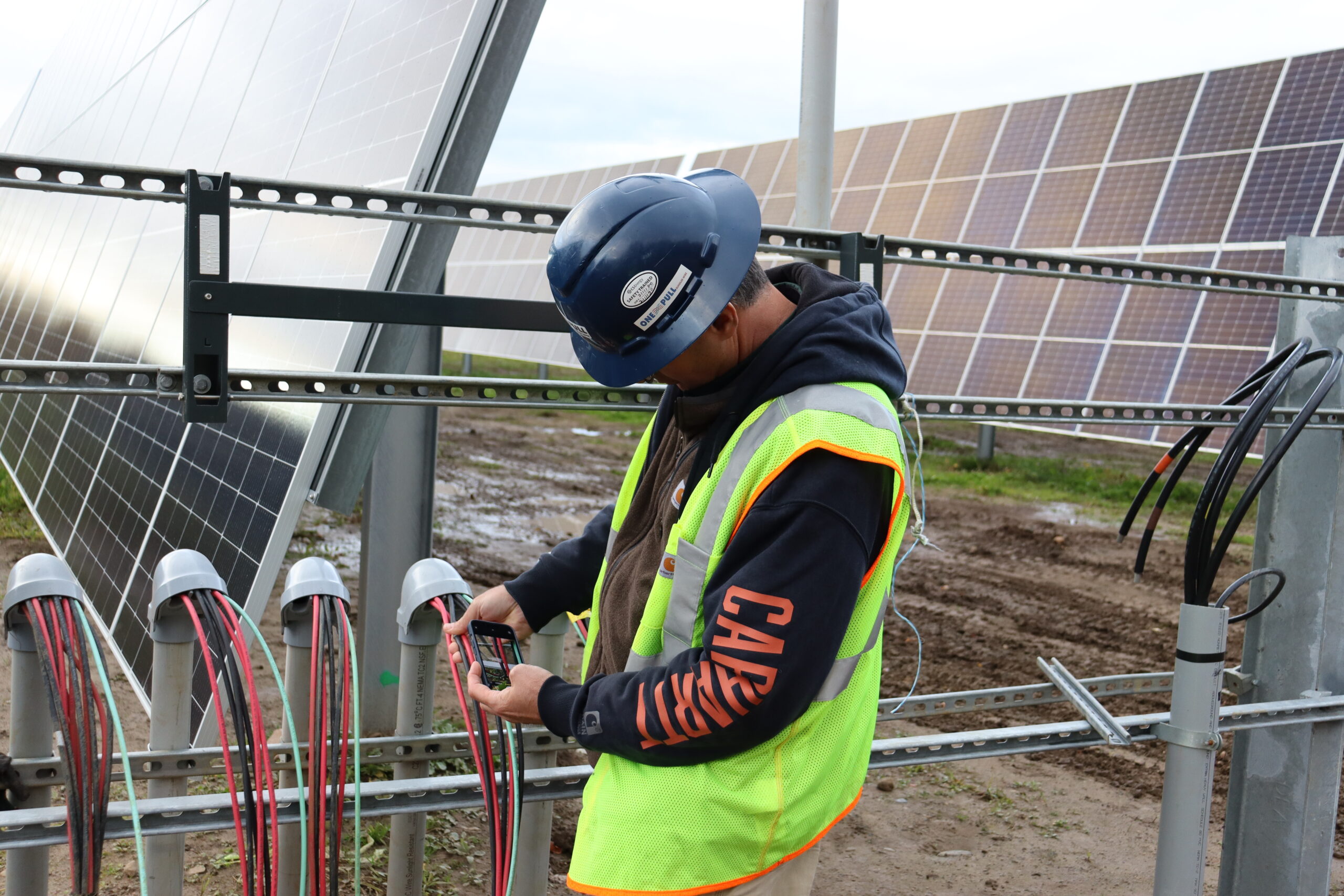
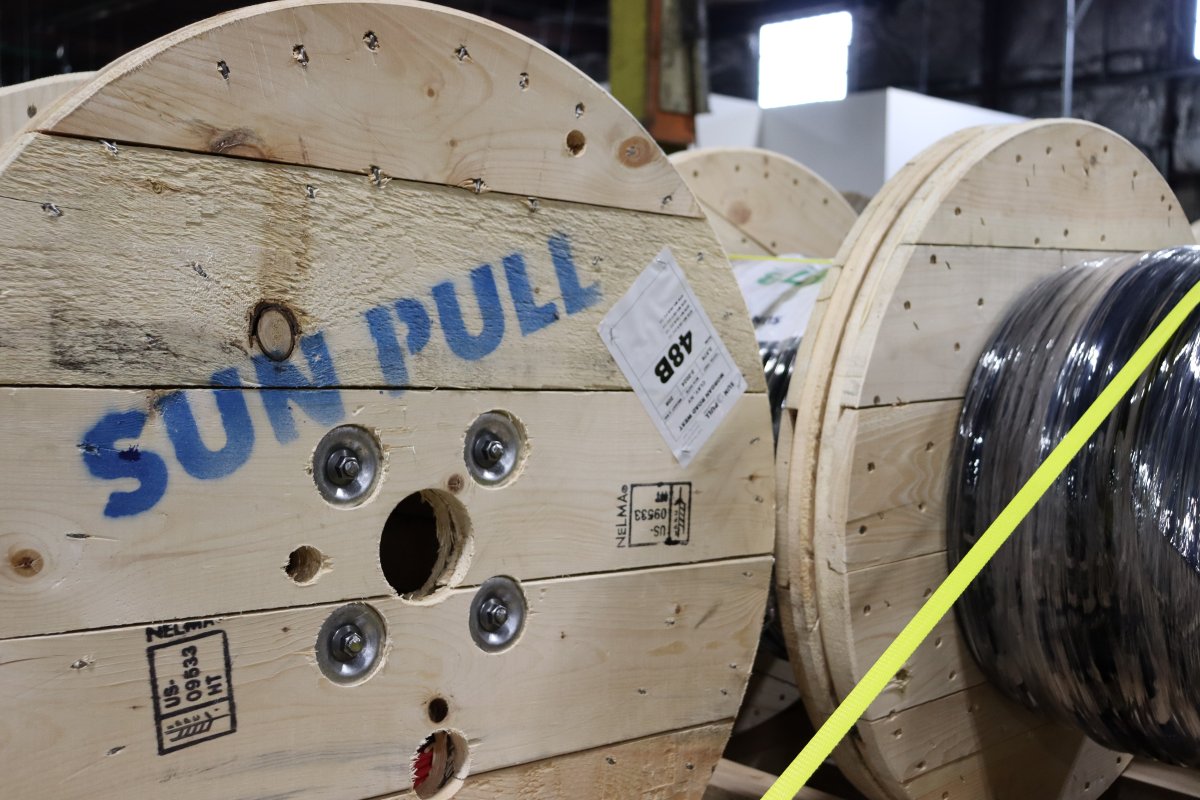
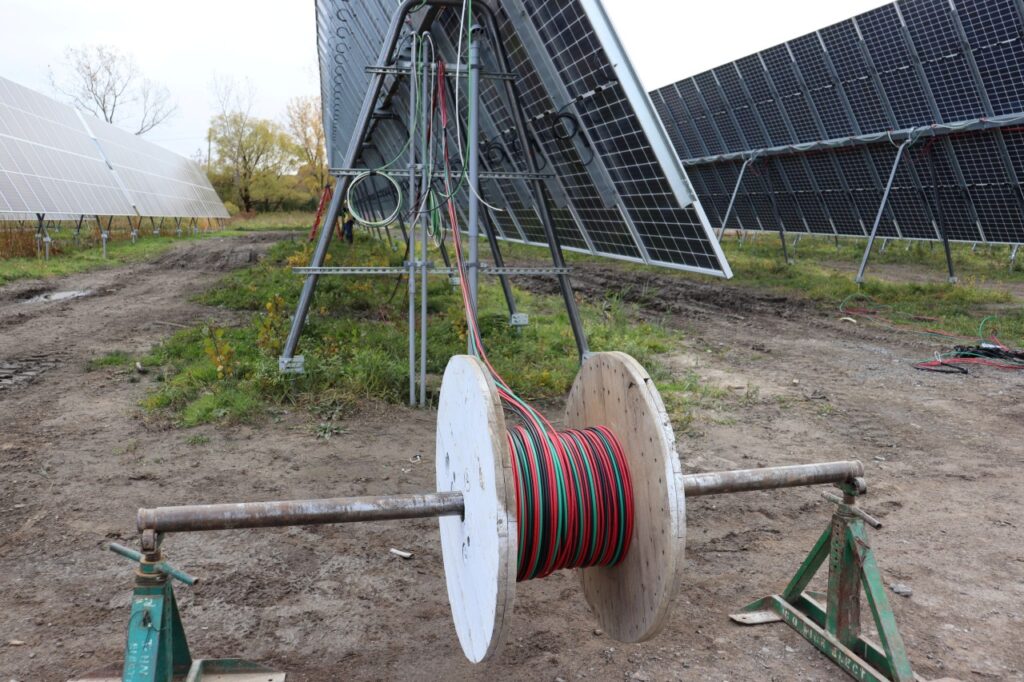
Installing PV Wire at a Solar Site - Sun-Pull Wire

Under the updated rules, workers can round their final calculations to the nearest whole number when less than .5 volts or amperes. A similar rule already applies to other NEC sections about branch circuits, and now also applies to PV installations. 

So, how does the new regulation work? Let’s say the final calculation for a given circuit’s current is 10.3A. Under the new NEC provisions, you could round the current down to 10A. 

The change has several applications for electrical workers. Voltage calculations help determine temperature limits, while current dictates temperature or conduit fill rules. 

Section 690.8 – Circuit Sizes and Current 

In Section 690.8, there are changes to maximum currents, mainly in reference to minimum wire sizes. 

Under the 2023 NEC, PV systems over 100kw could employ electrical engineers to help determine maximum currents. Once completed, those engineers would need to document and stamp any work they did. NEC 2026 offers similar language but removes the 100kw size reference. This means any size project can use calculations furnished by an electrical engineer. 

So, why does the project size and engineer documentation matter? Section 690.8 outlines the smallest conductors a project can safely use. By removing the 100kw barrier, it opens the doors for smaller projects to find cost savings on their sites. 

Keep in mind that minimum wire size calculations may not change much for smaller projects. There is definitely value, however, for large-scale projects using miles of large-gauge copper wire. 

More in Section 690.8 

Section 690.8(A)(2) covers terminating circuits to Electronic Power Converter (EPC) Inputs. 

EPCs are generally inverters in a PV system. When workers size conductors for termination at the input of an inverter or another electronic, there’s math to do. Typically, we take our PV values and multiply them by 125%, then again by 125%. In total, we’re multiplying values by 156% to determine conductor size for the current they’re carrying. 

Changes in this section allow workers to use conductors that more closely match the currents they’ll likely carry. It also aligns more closely to how electricians in other fields handle current sources, including overcurrent protection devices (OCPDs). 

Under NEC 2026, the update rule streamlines the process. Now, the maximum current can match the EPC’s rated input current if it meets one of several criteria, including: 

  • If an OCPD not exceeding the conductor’s ampacity protects the terminating circuit to the EPC 
  • If the circuit’s maximum current complies with Section 690.9(A)(1) 
  • If the circuit is 690.9(A)(3) compliant 

The good news here is the new 690.8(A)(2) rule may reduce the conductor size needed for an inverter or combiner box setup. In that case, projects could see lower overall PV wire costs. 

Section 690.13 – PV System Disconnecting Means 

The update to Section 690.13 now requires disconnecting means to be in line with Section 705.20. 

Per Section 705.20: If the power source service disconnecting means meets the requirements of both 705.11 and 705.20(A) through 705.20(F), a separate source disconnecting means is not required. 

According to Section 705.20, installers can use breakers to cut the power to a solar system, rather than knife switches. Knife switches are an expensive add-on, so utilizing another available common cut-off method reduces overall installation costs. 

The changes simplify the rule, allowing a single disconnecting means to disconnect multiple power sources, including the PV system. Doing this reduces the need for an expensive shutoff system specifically for PV panels. 

Cost is important, but the bigger win is that solar energy sources are finally on par with other power sources like generators and batteries. 

Section 690.31 – Wiring Methods 

Traditionally, PV DC circuits couldn’t share a housing with non-PV circuits. That has changed slightly in the NEC 2026 guidelines. 

In some cases, PV and non-PV circuits can share a raceway, but only if there’s a partition to separate them. The goal is to keep everything operating safely, so the partition keeps wires where they belong. However, one rule of thumb is to ensure the voltage is the same across both wire types. 

According to Section 690.31, the code states: The other circuit conductors are part of a multiconductor jacketed cable with a jacket insulation rating equal to at least the maximum circuit voltage applied to any conductor installed within the same wiring method, and are used for remote control, signaling, or a Class 1 power-limited circuit associated with the PV system or energy management system.  

Long story short, make sure to have the right protections in place if you plan to house PV and non-PV wires or cables in the same raceway. 

More on Section 690.31 

The next point of clarification impacts how wire is used in different applications. 

NEC rules now state that PV wire is okay to use in any area you’d normally use RHW-2. In a solar energy system, RHW-2 can be a “hot wire,” carrying electricity from solar panels to inverters. 

Additionally, we now have permission to use distributed generation (DG) cable where codes already allow tray cable (Type TC). However, to comply with Section 690.31(C)(1), conductors must follow a couple of rules, including: 

  • Support or secure exposed conductors using cable ties, straps, hangers, or another approved fitting 
  • If installed outdoors, use materials listed for outdoor applications 

Workers must also support the wire every two feet, though they can secure wires larger than #8 AWG every 4.5 feet. 

Section 705.11 

Lastly, changes to Section 705.11 impact solar developers, but it’s more of a revert, if anything. 

In NEC 2020, we saw language explicitly referencing conductor length limitations when interconnecting PV systems to service panels — in other words, connecting the solar system to the larger utility system via a service panel. However, the 2023 NEC rules changed the language in Section 705.11, dropping the length limitation. 

Fast forward to today, and NEC 2026 has brought back the length limitation language from 2020. Now, total conductor lengths must be less than 10 feet when used in residential dwellings. Other applications allow for conductors up to 16.5 feet from the service panel to the PV system disconnect. 

With that said, there are situations where conductors may be longer than 16.5 feet, but require cable limiters. These limiters provide additional short-circuit and fault protection for the entire system. 

Keeping an Eye on 2029 

There is no better time to worry about the future than today. 

Now that the 2026 NEC is live, our attention shifts to 2029, when the NFPA plans to restructure the NEC. If you haven’t heard about the changes yet, you can find them listed in Annex L of the 2026 NEC.   

According to the organization, restructuring does several things. First, it allows the NEC to better adapt to and support new and emerging technology. Under the current code, new technology doesn’t always neatly fit. Reorganizing the codes makes it easier for the NFPA to make changes and improves usefulness for electricians. 

Some experts also believe a potential reorganization could align the NEC more closely with the International Electrotechnical Commission (IEC). IEC standards are used globally, serving as the national standard for many countries. And while both the NEC and IEC cover installation, use, and maintenance, potential shifts won’t align the two completely. 

At the very least, rejiggering the NEC will make the system more efficient. Of course, that efficiency will also make the codebook look a lot different. For example, the current 2026 NEC has nine chapters, but the 2029 NEC will have 23. Though it’s a drastic visual shift, the goal is to make life simpler for those who use the codebook the most. 
 
Despite visual changes, the solar power industry shouldn’t expect many changes in 2029. Solar energy is a maturing technology, and we can look forward to small changes and fine-tuning. But, as we’ve learned in our industry, change is the only constant we can rely on.

Where Do ITC and PTC Solar Credits Stand in 2026?

When President Donald Trump signed the One Big Beautiful Bill Act (OBBBA) last July, sweeping changes blasted the renewable energy industry. 

For an industry seemingly finding its stride, the OBBBA was a baseball bat to the knees. Nearly every sector was impacted, including solar, and developers, manufacturers, and consumers alike suffered. 

And while it’s true that misery enjoys company, the changes leave developers and consumers scratching their heads. Unfortunately, the solar industry must now find ways to expand with less federal help. 

Tax Credits Fading Out 

At a time when AI growth is causing electricity use to soar, the solar industry lost part of its appeal. 

The OBBBA brought drastic changes to tax credits and incentives for investing in solar projects. Most notably, it shortened the sunset dates for critical ITC and PTC credits originally extended by the Biden administration. 

But where does the industry stand in 2026, and what can we do to preserve years of positive momentum? 

Residential Solar 

If any part of the solar industry took the brunt of the changes, it was the residential solar sector. 

Under the Inflation Reduction Act, homeowners were eligible for a 30% federal tax credit applied to the cost of their solar installations and battery storage projects. However, to receive the credit for a battery project, applicants had to meet several requirements, including: 

  • 3 kWh installed with a new or existing solar project 
  • Exclusive solar charging for the first year 

Most notably, the Residential Clean Energy Credit (Section 25D) ended in December 2025.  

Once the OBBBA took effect, homeowners scrambled to get solar projects installed and operating by the December 31 deadline. Those who beat the buzzer and got their projects finished weren’t fully in the clear, however. To fully qualify, homeowners had to own the system AND have an income tax liability for the tax year. 

How Did the Industry React? 

Homeowners were left scrambling when news broke that the residential ITC cliff was approaching in a matter of months. 

With a short deadline, homeowners rushed to get solar projects online to take advantage of the ITC. Projects that missed the deadline weren’t as lucky, missing out on the 30% federal tax credit. 

Despite losing a massive residential solar incentive, there is still another way to qualify for savings. If they choose to, residents can invest in solar through commercial companies. In this scenario, businesses can claim a 48E tax credit through leases and power purchase agreements. 

The 48E tax credit does two things that help residential solar development. First, companies get to take advantage of federal tax incentives to encourage development. Secondly, businesses receiving the credits can pass along those savings to residents as lower-cost power. 

Where Does Residential Solar Stand Today? 

Without federal tax benefits, today’s homeowners are in a worse position than they were a few short months ago. 

Luckily, residents have a few other cost-saving avenues to make going solar more affordable. A growing number of states are stepping up to the plate, instituting trust funds, assistance programs, and other incentives.  

For those interested in going solar, the N.C. Clean Energy Technology Center’s DSIRE database outlines available state and municipal solar incentive programs. 

Commercial and Utility-Scale Solar 

Commercial and utility-scale solar didn’t suffer as much as residential, but developers are still licking their wounds. 

The problem here isn’t the elimination of crucial tax credits, but rather the timing of them. Under the Inflation Reduction Act, ITC and PTC credits were in place at current levels until 2032. Afterwards, there was a gradual multi-year sunset period. 

This is no longer the case with the OBBBA. Under the new law, Section 48E ITCs now face a cliff at the end of 2027. The timeline is drastically shorter, forcing companies to move projects along much more quickly and with fewer protections. 

For a wind or solar energy project to qualify for a 48E or 45Y credit, construction must begin by July 4, 2026. But the July 4 cutoff is more than a convenient deadline. Starting before then allows developers to qualify for a four-year safe harbor, giving them more time for the job. 

But missing the start date cutoff has dire consequences. Any projects started after July 4, 2026, must be fully operational by December 31, 2027. For large-scale utility projects, the timeline might be nearly impossible. Smaller community installations, however, could meet the December 2027 deadline with an efficient process. 

Are Safe Harbors Still Safe? 

Although developers and EPCs still have access to safe harbor coverage, they still pose issues. 

For example, the IRS recently changed the “Five Percent Safe Harbor” rule following Trump’s Executive Order 14315. Also known as “Ending Market Distorting Subsidies for Unreliable, Foreign-Controlled Energy Sources,” the E.O. says, in part: 

“This includes issuing new and revised guidance as the Secretary of the Treasury deems appropriate and consistent with applicable law to ensure that policies concerning the “beginning of construction” are not circumvented, including by preventing the artificial acceleration or manipulation of eligibility and by restricting the use of broad safe harbors unless a substantial portion of a subject facility has been built.” 

So, what does this jargon mean, and what does the government now consider “appropriate and consistent?” 

In short, solar developers must use physical work tests exclusively to prove work of a “significant nature.” Thankfully, the thresholds apply to both on-site and off-site processes, including manufacturing parts and system installation. However, preliminary work like planning, research, financing, testing, permitting, and clearing land is NOT included. 

Although the IRS changed the rules, low-output solar facilities (less than 1.5 MW) still fall under the Five Percent Safe Harbor rules. 

Batteries Avoid the Brunt of Rule Changes 

In a surprising twist, battery storage is largely safe from new rules instituted by the OBBBA. 

Battery storage projects keep their tax credits through 2033, but installations must comply with Foreign Entities of Concern rules. The rub here is that many of the companies and businesses in the battery storage supply chain fall within FEOC. 

China is one of several countries deemed a “covered nation” in the FEOC, which also includes North Korea, Russia, and Iran. Though every case is different, companies involved with these four countries typically don’t comply with the rules. The result is an industry forced to find alternative solutions to meet domestic and friendly-nation production. 

Domestic battery manufacturing is still a nascent industry in the U.S., so short-term availability and sourcing may struggle. The good news is that as near-shore and onshore production picks up steam, we could see long-term availability. 

New Year, New Taxes 

Finally, 2026 also brings a few other new tax surprises, including Prohibited Foreign Entity (PFE) rules. 

Introduced in the OBBBA, the PFE rules impact the 48E ITC, 45Y PTC, and 45X manufacturing tax credits, among others. Basically, the rules prevent Specified Foreign Entities (SFE) and Foreign-Influenced Entities (FIE) from claiming tax credits. Similar to the FEOC rules, SFEs include China, Russia, North Korea, and Iran. 

Businesses should also be careful around the new Applicable Payment Rule, which states that if an SFE is paid in a way that benefits them and grants control over a facility, the taxpayer can’t claim credits. The reason this rule is important is that it’s effective within the first 10 years of a site entering service. 

Operators must be aware of every company they work with, because one mistake could lead to trouble. For example, if an operator makes site maintenance payments to an SFE-associated company, the IRS can potentially claw back 100% of the claimed ITC

Finally, there are new Material Assistance Cost Ratio Rules, which restrict the percentage of products sourced from PFEs for projects. Though similar to the domestic content rules we’re already familiar with, there is a key difference between the two. Unlike domestic content thresholds, Material Assistance rules cap total PFE components at 40%; otherwise, companies lose the credit. 

Additionally, the percentage of non-PFE content increases annually, making the benchmark harder to reach. 

Solar’s Fight Continues 

The One Big Beautiful Bill Act was a shot across the bow for solar and wind companies. However, it also generated opportunities for the industry to find creative solutions to complex energy production problems. 

Though residential solar lost its investment tax credits, homeowners can still participate in solar energy through PPAs and leases. They also have access to many state and local incentives, provided they know where to find them. 

At the same time, utility-scale and community solar companies have until December 2027 to complete their projects. Without a safety net, the best option most projects have now is to break ground before July 4, 2026. That would allow them to activate safe harbor rules and buy additional time. Similarly, battery storage may become more popular as it maintains its tax incentives, albeit with a few more strings attached. 

The point is, even though solar took a hit from the federal government, the future remains strong for renewables. Electricity generation and demand are issues in the U.S., and the grid is inflexible and unreliable. Meanwhile, tech companies have employed solar solutions to power massive data centers. 

At this point, the solar industry is entrenched in the United States. Despite headwinds, more doors will open for solar companies, either at the state or even local level. It’s just a matter of time.

The Perks of Owner-Furnished, Contractor-Installed Processes

In business, time is money; the same rule applies to solar development. 

Solar projects are massive investments, so finding innovative and simple ways to save money and improve profits is key. One method gaining momentum in the solar industry is “Owner-Furnished, Contractor-Installed” processes designed to save time and money. 

While it seems like a simple concept, OCFI relies on pinpoint accuracy and careful planning. But when it works, solar companies reap the rewards, and projects move much more quickly. 

So, what does “Owner-Furnished, Contractor-Installed” mean and how does it work? More importantly, who benefits from it and why should solar companies evaluate OFCI as a cost-saving solution? 

What Is Owner-Furnished, Contractor-Installed (OCFI)? 

OFCI programs aim to consolidate material sourcing with the solar EPC or developer rather than the subcontractor. 

Previously, subcontractors would source project materials, then mark up the cost when invoicing the EPC or developer. This process, known as Contractor-Furnished, Contractor-Installed (CFCI), allowed the subcontractor to use familiar components and increase margins. While the system worked for the subcontractor, the EPC paid more but had less visibility. 

By moving material sourcing to the EPC or developer, projects are inherently less expensive. And while subcontractors may lose some profit margin on materials, they benefit in other ways. 

OCFI Accomplishes Several Things 

For cost-conscious developers, the need for OCFI goes beyond saving a few dollars. 

OCFI streamlines and standardizes the sourcing process, making it easier to replicate and scale. When done well, it’s easier for companies to track projects, keep them moving, and shorten timelines. 

Reduced Overall Costs for Developers 

In the past, the developer paid marked-up prices for materials sourced by the subcontractor. 

OCFI takes sourcing out of the subcontractor’s hands and shifts it to the developer, eliminating upcharges and reducing overall costs. However, the lower cost comes with the caveat of more work. 

Developers must create and maintain relationships with distributors and manufacturers to ensure a steady supply of materials. They also need to coordinate with installers to make sure materials go to the right place at the right time. Under the CFCI model, the installer handles material delivery. Without that in place, the installer becomes dependent on the developer to keep the details in line. 

More Control = Consistency 

Every utility-scale solar project is unique, but there’s still room for standardization across job sites. 

In many cases, solar developers are working on multiple sites simultaneously. If each site uses different materials sourced by subcontractors, it can be hard to keep track of everything. OCFI solar processes give the EPC more control over the materials sites receive, simplifying sourcing across every project. 

By using the same components, EPCs can accomplish several goals. First, it reduces surprises because crews know what parts will arrive. Second, workers build confidence and comfort with specific components, helping them work faster. 

Finally, standardizing product selections makes ordering much simpler. The developer can verify stock counts and order materials as needed rather than chase suppliers for unique parts. 

Subcontractors Become More Effective 

OCFI systems can also positively impact subcontractors. 

When the EPC or developer orders pre-fabricated materials, installers spend less time in the field assembling them. Pre-fabricated solar photovoltaic (PV) wire, for example, may arrive at the worksite already bundled and with connectors attached. For workers, all they need to do is connect each wire to a solar panel and move on. 

But what about the subcontractor’s lost margin on sourced materials? In many situations, the subcontractor can easily replace the loss through speed. If the developer orders pre-fab materials, the team can move much faster in the field. This means less time assembling connectors, pulling single wires down long aisles, and performing other tedious chores. 

Additionally, using the same materials across multiple sites also creates familiarity and confidence. The result is a faster installation with fewer mistakes and delays. 

Over time, OFCI systems could lead to more projects completed annually. 

Developers Juggle Logistics 

One thing to remember about Owner-Furnished, Contractor-Installed projects is that the developer now handles logistics. 

Keeping track of materials, timelines, and work crews can be daunting. However, successful project management often comes down to answering several questions. 

How will the developer or owner coordinate deliveries? Companies need to know when materials will arrive on site and who will deliver them. 

Product delivery is a balancing act, and mistakes can create a slew of problems. Delivering materials too early to the worksite can create confusion and potentially lead to product damage as it sits. Of course, delivery delays or product shortages bring projects to a halt. When this happens, everything slows down, putting timelines and other slated projects at risk. 

Who will hold onto solar project warehousing stock? Developers often work on multiple utility or community solar projects concurrently. Those installations often use tens of thousands of feet of wire, hundreds of racks, panels, and other parts. 

Companies may operate using a “Just in Time” approach to save space and costs, but sometimes it isn’t possible. If EPCs choose to warehouse materials, they must avoid overstocking and paying for additional space. 

At the same time, companies should maintain adequate stock to address needs as they arise. 

Can the EPC or developer control the supply chain? More control, more responsibility. Included in that stress is the chore of evaluating and choosing manufacturing partners and vendors. 

Once the company finds suitable partners and vendors, the focus shifts to establishing transport, product tracking, and delivery methods. And if materials come in from overseas, shipping routes, tariffs, and other variables come into play. 

Beyond delivering components from Point A to B, companies must also contend with the risk of damaged goods, late arrivals, and other problems. When issues arise, the company is responsible for getting the job back on track as quickly as possible. 

Risk Meets Reward 

The United States’ clean energy boom has brought solar installations to the forefront. It has also changed how solar companies create, manage, and improve their bottom lines. 

If done correctly and conscientiously, solar companies and contractors can both benefit. But the key to making OFCI activities work for everyone involves building and maintaining strong relationships. Developers need to have faith and a good rapport with their vendors, manufacturers, and logistics teams. Meanwhile, contractors must find developers with strong industry records and work closely with them. 

When EPCs consolidate processes, they also take on additional risk. However, the moves could lead to shorter project timelines, streamlined operations, lower costs, and more long-term savings.

Stronger Bottom Lines: Reducing Utility-Scale Solar Installation Costs 

If we could sum up the solar industry in 2025, it might sound like the French electronic duo Daft Punk

“Work it harder, make it better, do it faster, makes us stronger.” 

As the solar industry adjusts to a rapidly changing political and economic environment, protecting the bottom line is crucial. Solar developers and EPCs are looking for every advantage possible to keep costs down, including: 

  • Performing installations faster 
  • Finding stronger, more reliable solar panels 
  • Investing in cost-effective racking systems 
  • Using pre-fabricated modules and factory-made PV wire 
  • Implementing automated systems to control labor expenses 


With the right combination of cost-cutting measures, utility-scale solar developers can reduce costs, maximize labor, and improve project longevity and reliability. 

Automation Enhancements 

No matter how you might personally feel about AI, robots might not be a bad thing, especially for an industry dealing with labor shortages. When used effectively, automation technology augments workers’ skills, making installations faster and, ultimately, less expensive. 

But how exactly do automated systems accomplish that goal? 

It all comes down to minimizing the impact of repetitive tasks for workers. Companies like Charge Robotics are taking the lead, creating fully autonomous bots like its Sunrise construction system. The robot quickly assembles and installs solar bays on-site while also performing quality control checks. 

For solar developers, the extra set of metal hands goes a long way. Robotic systems reduce jobsite risk and improve overall quality and speed with fewer workers. But Charge Robotics isn’t the only name in the game–it’s one of several start-ups planning to change the solar industry overnight. 

AES’s Maximo installs solar panels onto trackers using artificial intelligence (AI). The robotic system is technology agnostic and easily adapts to work with a variety of clamps, trackers, and panels. 

Beyond being an installation bot, Maximo takes on other incredibly important tasks on the project site. As it works, the system collects data, keeping solar developers informed about site progress and potential concerns. 

It also handles dangerous tasks formerly carried out by crew members. Instead of having a worker install panels onto trackers high above the ground, Maximo does it. Workers safely guide the robot from the ground, allowing it to work without putting crews at risk of falling. 

AES’s invention is already making waves, earning support from Amazon. The online retailer has used Maximo for several solar + storage sites that the company has invested in. 

The Need for Speed (and Safety) 

Regardless of the system, the goal is always the same: speed, safety, and simplicity. 

Robots move faster than people, can lift heavy panels by themselves, and place them with pinpoint precision. They also have a keen eye, powered by machine learning, to constantly perform quality control throughout the project. 

But, despite their skills and strength, robots and automated systems aren’t here to displace their human counterparts. If anything, they augment our strengths and help us do more with fewer resources. 

Robots don’t complain about performing repetitive tasks and can do those jobs faster than a crew of people. In the meantime, workers can focus on big-picture problems to keep projects moving smoothly and fix issues. Machines also alleviate hiring problems that solar developers face, especially in harsh desert environments where it’s tougher to attract quality talent. 

Piecing Together Projects 

Despite slightly higher upfront costs, factory-made components and modular systems can drastically reduce labor costs and installation times. 

The solar industry is facing incredible challenges, forcing EPCs and developers to find creative solutions to do more with less. For companies with tight deadlines, higher initial costs are worth potential long-term savings. 

Today’s solar projects are easy to assemble on site, coming together like giant building blocks. From start to finish, pre-built, factory-made parts simplify production and turbocharge development. 

Foundations 

Foundations are crucial to any solar project. These systems hold racking steady and protect installations from shifting and corrosion caused by severe weather and the environment. 

Depending on the site’s location, solar builders have a wide range of concrete ballast options. Manufacturers create the foundations off-site, then truck them in, saving crews precious time. 

But why should crews consider a factory-made concrete ballast when they can simply pour foundations? When workers pour concrete out in the field, they run the risk of weather, debris, and even the site itself causing issues. If the concrete doesn’t cure correctly, it won’t be as strong, reducing long-term reliability. 

By purchasing pre-made concrete ballasts, weather isn’t a factor since crews don’t need to wait for curing. The result is a plug-and-play building component ready for decades of operation. 

Racking and Frames 

Solar panel racking supports the panels themselves and, in some cases, tracks the sun as it moves through the sky. They attach directly to the foundation and serve as a skeleton holding everything together. 

To hasten construction projects, developers can order pre-drilled racking systems with the hardware already attached. Other times, the racks and frames may also include pre-installed DC wiring. With most of the work already done, crews only need to attach the panels and tighten the bolts. 

Wiring and Connectors 

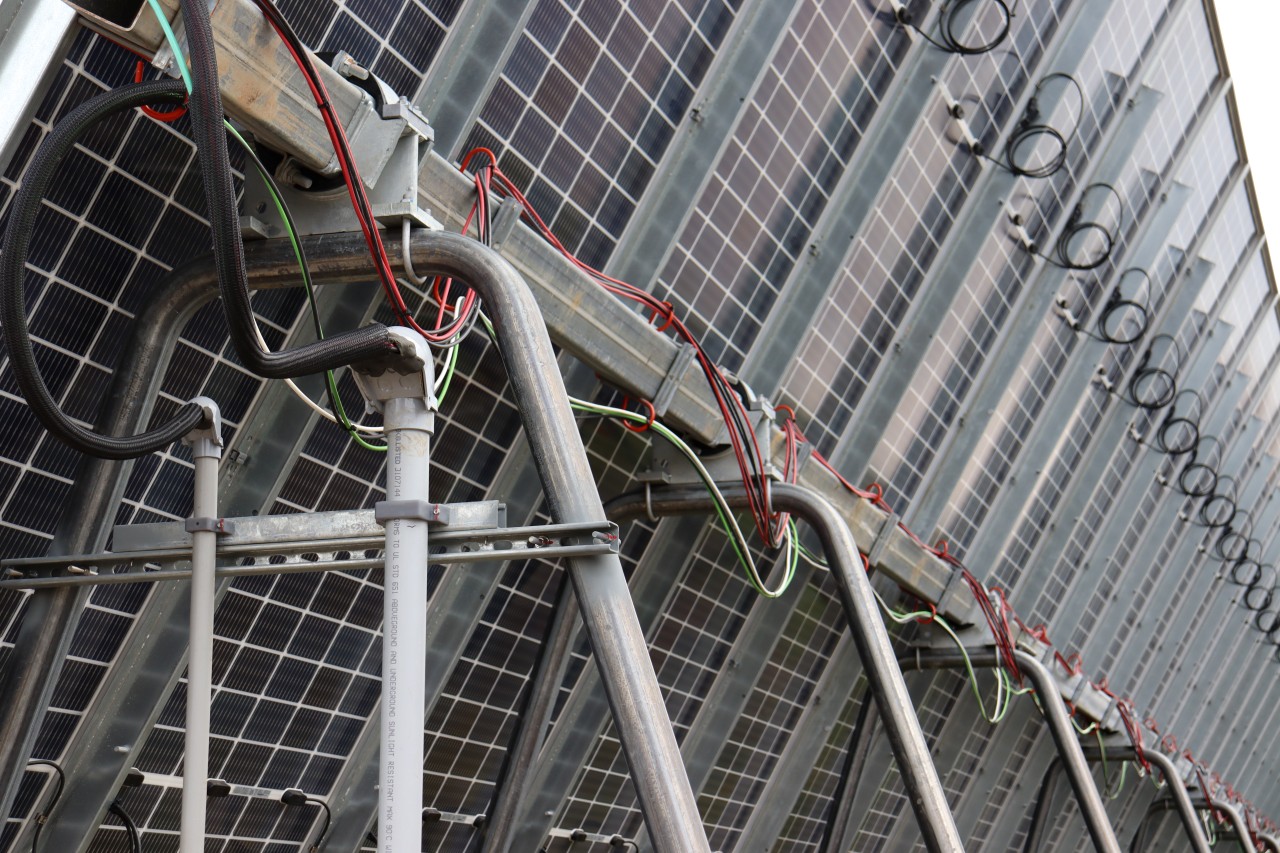
If racking is the skeleton, then PV wire and connectors are the blood vessels and nerves. They transport solar energy collected by the panels and carry it to the combiner box as DC electricity. 

Years ago, workers would have to carry individual strings of PV wire down long aisles of panels to connect everything. Today, manufacturers like Sun-Pull offer customized PV wire bundles on single spools, cutting installation times and labor costs. 

Pre-bundled PV wire gives solar developers the option to do more with less. For example, what used to take a crew of workers a day to complete now only needs a couple of hours with 2-4 people. Sure, bundled wire costs more, but it makes up for the higher price with faster project speed and better resource allocation. 

Meanwhile, workers use connectors attached to the ends of PV wire to safely and tightly connect the wiring to the panels. Depending on the project and timeline, manufacturers like Sun-Pull can attach factory-made connectors to the PV wire. While it isn’t an exciting feature, it guarantees that one type of connector is used throughout the site. If crews accidentally use multiple connector types, the risk of poor or loose attachments spikes, potentially creating performance and fire risks. 

Pre-fabricated connectors also eliminate potential failure points in the field. Workers have varying levels of job experience, and installation quality varies from one worker to the next. If the connection isn’t tight or if an uncaught mishap occurs, it could lead to arcs, sparks, or system faults. 

Manufacturers quality control every product leaving the facility, giving solar EPCs peace of mind on the jobsite. This level of control in the process guarantees the connectors will work as intended for years to come. 

Wire Management 

From clips and clamps to ties and straps, utility-scale PV projects have no shortage of wire management options. 

At their core, management systems protect PV wires from potential dangers, including accidental contact, severe weather, and environmental hazards. Depending on the environment, budget, and application, project managers have a bevy of shapes, sizes, and materials available. This allows developers to choose what works best for them, from simple cable ties and S-clips to more complex conduit trays. 

DC Combiner Box 

Combiner boxes are as unique as the solar site itself. To that end, manufacturers can design and build boxes for every specific need. 

The process for that is straightforward but requires pre-planning. Customers must have exact specifications for what they need, which the manufacturer uses to build the box. This includes installing surge protectors, fuses, and terminated wire harnesses to safely collect and combine electricity. 

After strict quality testing, the manufacturer ships the combiner box directly to the jobsite for installation. 

Protecting the Bottom Line 

Finding cost savings on community- and utility-scale solar projects helps developers save money far beyond their current projects. 

Of course, it’s also safe to say that not every project will benefit from the same solutions. Every location has unique opportunities and challenges impacting available options. 

Modular systems and automated processes hold several advantages over traditional construction industry methods. Robots installing pre-made parts move much faster than a crew of workers, with the added benefit of checking their work along the way. This frees crew members to focus on other parts of the project that may need additional attention. 

Pre-made parts reduce the impact of weather during construction and make sites safer. In a factory setting, manufacturers control production in a stable, consistent environment. Once workers test the components, they can connect them like a huge set of building blocks. 

Higher Quality, Less Hassle 

In manufacturing facilities, quality is critical. 

Factories can QC and QA all components before they leave the factory, reducing the threat of poor installation. This is especially true for PV wire, connectors, and other sensitive equipment, where inexperience could hurt quality. 

More importantly, manufacturers are masters of high-level precision. They have the technology and resources to ensure everything fits, works, and performs as it should. By investing in prefabricated materials, crews only worry about installation. 

As a result, solar projects require fewer highly experienced workers to oversee everything, easing labor issues. 

Scaling Up 

When everything is modularized, it’s easy to scale up or down based on what parts you need. 

Standardization creates scalability, thanks to more accurate inventory tracking, maintenance procedures, and product acclimation for workers. As the team becomes more familiar with each piece of the puzzle and its processes, they move more confidently. The added speed means shorter timelines, more projects, and healthier bottom lines. 

Standard pieces and processes also affect cost structuring, as similar designs and situations may need similar inventories. Over time, familiarity leads to stronger forecasting and budgeting for future projects. 

Bottom Line Breakthroughs 

Solar projects aren’t cheap, but it’s possible to find cost savings and other bottom-line improvements. 

The industry has no shortage of innovative technologies hitting the market every year. For savvy solar developers, understanding the industry, building relationships, and staying on the cutting edge go a long way. 

For those builders, it means investing in automated solutions that reduce labor costs and improve safety. It also means reducing material costs through better planning and scalability without cutting corners. 

Solar development isn’t slowing down, even as the industry adjusts to rapid change. Those embracing the world around them will have an incredible leg up on the competition.

How Does Humidity Impact Solar Projects?

Summer is here, and that means three things: barbeques, beach vacations, and seemingly constant humidity. 

Humidity is everywhere, but location and environment play a role. For example, relative humidity in Florida, Texas, and Mississippi is higher than in Arizona, New Mexico, and Nevada. This is because the former states are located near large bodies of water, as opposed to arid deserts. 

Unfortunately, humidity is becoming a problem in the United States. According to a 2025 scientific study, humid heat waves have become stronger. As temperatures rise across the board, they lead to more water evaporation. As water evaporates, it increases humidity, which is bad for people, animals, and solar panels alike. 

Luckily, solar developers have several tools to prevent humidity and moisture from damaging their installations. Knowing how humidity works is the first step toward protecting sites from damage and lost output. 

What is Humidity? 

Humidity is an environmental condition measured by the amount of water vapor in the air at any given time. This moisture typically comes from water evaporating from bodies of water, but can also come from plants, soil, and rain. 

There are two types of humidity (absolute and relative), but relative is the one most people are familiar with. Relative humidity determines the percentage of water vapor in the air compared to its potential maximum. As temperatures rise, relative humidity decreases. As temperatures fall, the air holds less water vapor, creating dew and fog. 

Easy access to water sources results in higher humidity levels for those living in those regions. This is why Florida and Louisiana have higher levels than drier states like Arizona and New Mexico. High heat keeps relative humidity low since the air can hold more water vapor. 

Though humidity is a constant presence, it becomes more of a threat during the summer when temperatures rise. Hot air holds more moisture than cold air, which is why you don’t hear about humidity during the winter – the air is drier. 

How Does Humidity Impact Solar Sites? 

It might not sound like it, but as the air outside gets moister, the resulting humidity can slowly cripple a solar farm. 

And like many weather-based issues, it impacts every component from the ground up. 

Solar Panels 

When humidity is a concern, so is condensation. As temperatures retreat from their daytime highs, water vapor in the air forms droplets. Those droplets fall onto solar panels, mixing with dust and other gunk already there. 

As the water evaporates again, the dust left behind sticks to the panels and becomes hard to remove. If enough dust becomes stuck, panels may struggle to collect sunlight, reducing performance. The attached dust is also dried on, meaning crews must do more intense cleaning. 

Beyond simply making panels dirty, moisture can also become trapped inside panels. If that happens, water can create a film that could increase panel operating temperatures and hurt power generation. 

Reduced Performance 

Reduced performance comes in many forms, including Potential-Induced Degradation (PID). 

PID occurs when there’s a combination of hot temperatures and high humidity. When long strings of panels are tied together, those on the ends of the row carry the largest electrical pressure difference. These voltage differences between the solar cells and their frames may create small leakage currents. 

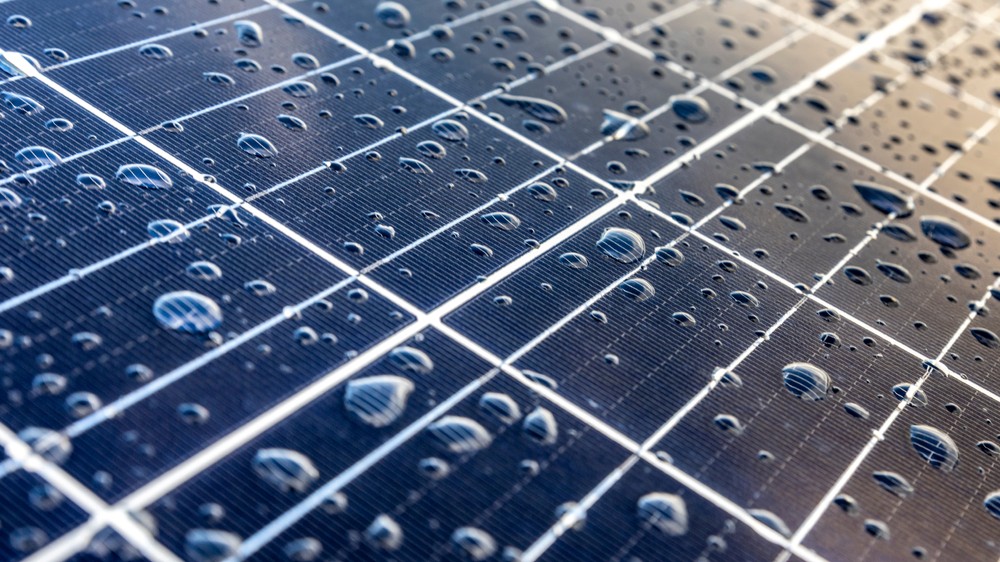
So, how exactly does humidity impact performance? When small leaks occur, rain and humidity increase system conductivity, leading to greater losses. It can also add stress to panels, as humidity fluctuations can leave water droplets on the panels’ faces. 

But sometimes performance issues stem from something simpler. Excess moisture can cause a wide range of problems when it gets inside a panel. For example, errant water can cause delamination inside the panel, along with mold growth in or on its face. In both cases, the panel can’t efficiently collect sunlight, limiting output. 

Wire and Connectors 

If moisture gets into a faulty, damaged, or improperly installed connector, it can immediately affect the system. 

Wet connectors are a breeding ground for short circuits and faults, which can drastically reduce output. However, water can also enter through cracks in damaged wire insulation. 

When moisture penetrates a PV wire’s insulation, it can damage the wiring. If installation or maintenance crews don’t spot the damage, it could lead to arcs, shorts, and faults. Worse yet, it could spark a fire, damaging nearby panels and racking. 

Racking 

Racking may not be exciting, but it’s critical to a solar project’s overall power generation. 

High humidity introduces moisture to the equation, which can ravage unprotected metal racking systems. Solar developers should either invest in corrosion-resistant materials or use coatings to make the racks resistant to corrosion. 

Without proper protection, the systems are more likely to rust and show wear while leaving the door open for mold growth. If mold or rust forms around tracking system components, it could prevent panels from moving with the sun. 

Preventing Damage from Humidity 

While it’s impossible to stop humidity from occurring, it’s possible to protect solar sites from damage. All it takes is a little preparation and patience. 

  • Invest in hydrophobic coatings. These specialized coatings repel water, preventing it from accumulating or entering sensitive areas.  
  • Keep up with cleaning. Regular maintenance cleaning removes dried bits of dust and other crud from solar panels. It also gives moisture fewer opportunities to create mud on the panels, reducing performance. 
  • Don’t skimp on seals. Seals prevent outside debris and moisture from entering solar panels and causing damage to sensitive components. 
  • Invest in high-quality PV wire products. Work closely with manufacturers that install connectors in-house and perform quality control testing. Unlike field-made connectors, which could be mistake-prone, employees test every connector to ensure a tight seal. This prevents moisture from entering through openings and shorting wires. 
  • Use the right wire for the job. Utility-scale solar projects are massive endeavors and long-term installations, so buy high-quality wire when possible. Invest in UL 4703-certified PV wire, as other types may offer less protection. PV wire can withstand harsh outdoor environments and is moisture, weather, abrasion, and UV resistant. 
  • Explore your conductor options. Copper is the most common PV wire conductor, offering good conductivity across many applications. Aluminum is lighter than copper and more affordable but needs larger gauges to match copper’s conductivity and may oxidize over time. Tinned copper offers better corrosion protection than copper alone, but developers will pay extra for additional peace of mind. 

Risk, Rewards, and Resilience 

Humidity is a necessary and important component of our natural environment. However, solar technology is rapidly improving to make solar projects more resilient against its effects. 

As products and methods improve, solar sites enjoy increased clean energy production, higher levels of safety, and longer project lifespans. Meanwhile, consumers benefit from low-cost renewable energy, utilities and operators produce more power, and sites generate higher ROIs. 

Solar sites require an incredible amount of planning, and no one knows everything. When questions pop up, know who to reach out to for advice and guidance. Oftentimes, this means reaching out to a trusted manufacturer or distribution partner. Their insight can simplify the installation process and make it easier to maintain products over their usable lifespan. 

This ultimately leads to better, more efficient projects that benefit everyone.

Going Domestic: Why Builders Want American-Made PV Wire

If you’ve been paying attention, you’ve likely seen one news story after another hyping up the U.S. solar industry. 

We’ve seen years of growth as clean energies like wind and solar take over new generating capacity. In 2024, for example, solar comprised two-thirds (66%) of U.S. electricity-generating capacity additions. Overall, the solar industry installed about 50 GWdc of capacity last year, hitting a new one-year record. 

Tailwinds and Headaches 

So, what’s driving companies, utilities, and communities to dive into solar energy? As it turns out, several factors combined to get us here. 

The Inflation Reduction Act (IRA) has had a couple of years to come into form. Incentives made through the program extended and broadened solar tax credits, making large-scale solar projects a better investment. 

The IRA also created measures to develop sustainable domestic supply chains for solar panels, racking, and wire. Previously, solar companies imported foreign solar components, dealing with everything from long delays to questionable quality. The costs were lower, but the industry struggled. 

Today, domestic manufacturing is taking a monumental step forward. Recently, the SEIA announced the U.S. had reached a critical manufacturing milestone. Domestic solar module production capacity hit 50 GW, large enough to meet current U.S. demand. Backed by Section 45X and Section 48C tax credits, incentives bolster an already booming industry

Despite some potential governmental headwinds, industry experts are bullish on solar energy’s future. 

Does Buying Domestic Matter? 

The U.S. is encouraging developers to use American-made goods, including PV wire. But does domestically produced wire warrant the higher cost? 

In many cases, the short answer to that question is yes. Although all PV wires may look similar, subtle details impact quality, lifespan, and performance. We must also consider project scopes, including timelines, budgets, locations, and job requirements. 

Depending on the situation, American-made PV wire could be a cost-saver. 

Quality and Build 

Solar wire made in the United States meets or exceeds Underwriter Laboratories, National Electrical Code (NEC), and ASTM standards, including: 

UL 4703 – This UL standard is specific to PV wire. UL 4703 tests a wire’s ability to handle sunlight exposure, high temperatures, weather, and other threats. 

UL 1581 – Also known as the VW-1 test, UL 1581 is a vertical flammability test. Essentially, UL 1581 determines how much a flame propagates (spreads) along a wire section. 

ASTM B-1, B-3, B-8, and B-33 – These wire configuration standards correspond to specific wire types. In order, they are hard-drawn copper (B-1), soft-drawn copper (B-3), concentric lay twisted strands (B-8), and tinned copper (B-33). 

American-made PV wire undergoes heavy scrutiny, resulting in high transparency. Additionally, strict standards add a layer of safety to every product, ensuring the wire does what it should. This may not be the case with products shipped from overseas, as other countries’ standards may be less stringent. 

NEC Section 691 – This portion of the NEC corresponds to several aspects of utility-scale solar sites with generating capacity over 5 MW. It covers factors like operating voltages, disconnects, fire mitigation, engineering, and other critical safety measures. 

Supply Chains and Lead Times 

Timelines matter – whether it’s a utility-scale solar array or a small community solar project. 

One massive advantage American-made products have is their shorter supply chains. Because the manufacturing and shipping are both within the U.S., production lead times tend to be much shorter. Shipping times are also shorter because products don’t have to travel by boat to the United States. 

On top of the shorter shipping and lead times, buying from domestic manufacturers helps developers avoid tariffs and duties. Importers often pay tariffs on materials from other countries, adding costs to the products they buy. Duties, on the other hand, are taxes paid on imported goods. 

Domestic production is also handy if problems arise. When customers find defects in their solar wire, they can return it to the manufacturer easily. Because the route is much shorter, the amount of time it takes to switch the wire is faster. Cutting a weeks-long wait down to only a few days is crucial when developers are racing to meet looming deadlines. 

Weighing Costs with Lead Times 

If deadlines aren’t an issue and the company has time to wait, sometimes shipping products from overseas could be an option. 

Buyers take on risks with the purchase, including the threat of geopolitical issues coming into play and tariffs. However, despite longer customer lead times and riskier supply chains, developers could save money on large-scale projects by using imported wire. 

Budgetary Constraints 

Developers endlessly search for ways to deliver the best results with the most savings possible. 

To that end, U.S. materials offer solid production, quality, and price. American-made materials follow a strict production process to ensure higher durability, longer lifespans, and better manufacturing traceability. The result is a product that often lives up to the price point. 

But every dollar counts, especially when you’re dealing with solar systems with hundreds of aisles of panels. Wire is a pretty small piece of the overall budgetary pie, but as projects grow larger, so does the cost of wire. 

Project Requirements 

Sometimes, it isn’t about price, performance, or any other factor – the project just requires domestic PV wire. 

Over the years, solar projects have become more specific, especially as the federal government attempts to bolster domestic manufacturing. As a result, more solar projects are pushing to meet domestic content requirements like BABA. The products called for are then “spec’d in,” requiring developers to source those materials for the project. 

BABA, or the “Build America, Buy America” program, ties funding and tax credits to solar projects. For example, ITCs and PTCs contain language about using American-made materials in the site’s development. We wrote a blog about these rules, which you can find here. 

State and local domestic product incentives could also be in play, depending on the project’s location. 

The Case for Imported Wire 

So, with so much focus on domestic production, is there a place for imported PV wire? 

Imported wire can do the job, but it’s important to ALWAYS work with a trusted, vetted international partner. Different countries have different standards, so it’s on the developer to verify who they buy from is reputable. 

Price – Larger projects call for more wire – often to the tune of hundreds of thousands of feet. Imported wire is generally more cost-effective, reducing overall project costs. 

Access to In-Stock or Unique Products – On occasion, solar projects may call for uncommon wire, which could lead to longer lead times. Overseas vendors may have specialized products in stock, keeping projects moving on time. 

Once again, DO YOUR RESEARCH before purchasing thousands of feet of wire from an international vendor. A trusted partner can meet safety standards and be transparent about their processes, ensuring high quality. 

Small Line Item, Huge Impact 

Wire is a crucial component of any utility- or community-scale solar installation. Without it, electricity doesn’t move from the panels to the electrical grid. 

Buying American isn’t solely about supporting the Red, White, and Blue. Builders get faster shipping, fewer added shipping costs, top-quality products, and peace of mind. 

Some overseas products may have similar quality, but EPCs must do their due diligence. This means building trust and verifying those manufacturers produce high-quality products. 

At the end of the day, not all wire is the same. No matter where the wire comes from, only work with trustworthy manufacturers that meet the highest standards. The result will be better installations, safer projects, and long-lasting performance for decades. 

What is a Virtual Power Plant?

One of the worst feelings is the dread one feels when the power goes out. 

Homes and businesses typically rely on electricity from local power generation plants. For the most part, consumers can reliably power our daily routines and keep life moving smoothly. But it also comes with a massive disadvantage. 

When the power goes out, electricity doesn’t go to end users, leaving them in the dark. While crews work feverishly to restore power, home and business owners worry about spoiled food, lost revenue, and boredom. 

However, emerging technology supported by electrification is changing how power disruptions impact our lives. These virtual power plants (VPPs) can keep the lights on using power created by our neighbors. 

Though they sound complicated, VPPs are the next step toward developing a more dynamic electrical grid. 

What is a VPP? 

By definition, a virtual power plant is a network of decentralized production and storage units combining to send power to the grid. 

But what does that mean in human terms? 

“Decentralized production and storage units” are basically all the pieces making up the VPP. These distributed energy sources (DERs) include everything from solar panels and batteries to electric vehicles (EVs) and smart products. If it can create, store, or control electricity, it can be part of a VPP. They also don’t need to originate from a singular location – VPPs can cover small or large areas. 

The best part is anyone can join a virtual power plant. Potential VPPs can include residential, commercial, industrial, or community-scale systems, though rooftop solar is the most common DER. 

VPP technology has existed for several decades but has taken off dramatically in the last ten years. The Department of Energy estimates that 30-60 GW of VPP grid capacity exists today. 

How Does a VPP Work? 

Let’s pretend a neighborhood has several rooftop solar systems, EVs, and smart homes. If these systems are part of a virtual power plant, utilities can draw from them during an emergency to power other homes and businesses. 

And just like that, a storm rolls through, knocking out a critical power line supplying electricity to several neighborhoods. When power outages or peak demand occurs, the utility activates the VPP. The utility can then remotely “talk” to connected DERs to turn thermostats down, reduce electricity use, and discharge EVs. 

Power flows from connected devices to the grid, sending electricity to other impacted neighborhoods. At the same time, energy loads drop, ensuring enough power is available. 

NOTE: This ONLY happens if the customer has opted in – VPPs require remote control from outside operators, like utilities. 

It might not seem like much, but localizing the grid to specific areas makes it more stable. Utilities can worry less about burning more fuel to send electricity across transmission and distribution lines and focus more on repairs. For end users, VPPs keep the lights on during peak times and emergencies using power supplied by others. 

VPPs Are NOT Smart Grids 

If you know the phrase, “A square is a rectangle, but a rectangle is not a square,” the VPP/smart grid relationship makes sense. 

Think of it like individual states in the nation. For example, Vermont is only one part of the larger United States. 

A VPP is a type of smart grid, but it’s only one piece of the larger smart grid infrastructure. Unlike a virtual power plant, smart grids cover the entire electrical grid, utilizing new technology to improve reliability and resiliency. 

Smart grids create large-scale two-way networks between operators or utilities and end users. Utilities can optimize electricity output and flow through the network, better incorporate renewable energy, and perform real-time monitoring. 

The result is a more dynamic electrical grid that reduces power loss, improves reliability, and saves money. 

Why They’re Gaining Steam 

Storms are getting worse, making power outages more severe. 

In 2023 alone, the U.S. experienced 28 “Billion Dollar” weather events, totaling an eye-popping $95 billion in damages. Weather is also the cause of more than 75% of power outages in the U.S., making it the grid’s number one threat. 

At the same time, the push for groundbreaking technology has never been stronger. More things rely on electricity than ever, requiring vast amounts of electricity. But with smarter electronics and power generation systems, we also have more opportunities to share power. 

Reducing Risk, One Neighborhood at a Time 

Our nation’s electrical grid is showing its age, as many pieces of infrastructure are well over 25 years old. 

Because of its age, the grid is more susceptible to damage caused by storms, physical threats, and cyberattacks. Unfortunately, when systems go down, people and communities are at risk. 

Communities once relied on central power plants to deliver electricity to neighborhoods, businesses, and other locations. But during outages, those people sat in the dark until power was restored. 

Under a VPP, during an outage or demand spike, the utility can remotely call on DERs to discharge power to the grid. Those opting into the program become power plants, drawing on stored energy to electrify those around them. 

Long-Term Savings 

Beyond grid security, VPPs reduce the number and size of electrical transmission and distribution peaks. 

What does that mean for the average person? When peaks occur, it stresses the grid since it has to support more electricity. The strain could lead to problems ranging from blown transformers and substation faults to overheated wires. Fewer peaks mean less threat of overloading the system. 

Peaks occur when there’s more demand than usual. To support the higher demand, peaking power plants generate electricity to meet the need. The problem is these power plants are expensive to run. Someone has to pay those costs, and it’s most likely the end user. 

VPPs take the pressure off power plants to meet peak demand by discharging electricity from DERs. As a result, the utility spends less money on fuel sources and limits energy loss along power lines. Meanwhile, customers receive steady power while VPP participants earn cash or credits for their electricity. 

Best yet, expanding VPP services goes beyond short-term savings. According to the Department of Energy, if the U.S. deploys 80-160 GW of VPPs by 2030, it could save $10 billion in grid costs

Taking Advantage of Incentives 

Like other renewable energy initiatives, there are programs and incentives available for VPPs. 

Depending on location, rebates and programs make commercial, industrial, and community-scale solar possible. For example, Maryland’s Distributed Renewable Integration and Vehicle Electrification (DRIVE) Act requires investor-owned utilities to develop programs rewarding DERs and establish incentives.  

Utilities and community solar energy operators also have programs to finance and promote VPPs. The Department of Energy has funded various clean energy installations through Title 17, which provides loans for innovative projects. 

In other cases, state and local incentives for solar and other renewable projects could be available. And don’t forget to research what incentives stack, as organizations and programs cover different initiatives. 

VPPs for Consumers 

Consumers participating in virtual power plants and installing DERs add clean energy to the grid. As more clean energy systems come online, we rely less on large-scale power plants and fossil fuels. Over time, this may reduce electricity costs. 

Additionally, VPPs ensure homes and businesses have power during an outage, reducing other losses. From allowing small businesses to stay open to preventing food spoilage, small power providers keep everything running smoothly. 

As for the bottom line, consumers sending power to the larger grid earn money or credits on their energy bills. Those credits can offset upfront costs related to installing a solar system or battery or buying an EV. 

Downsides and Cautions 

For everything virtual power plants do well, there are some drawbacks to how the system operates. 

Despite owning the power they produce, consumers don’t always have control. When signing up for a VPP, consumers give operators the right to draw energy from DERs when necessary. If that happens, EVs, batteries, solar panels, and smart products connected to the network begin discharging and conserving power. 

Operators have also launched programs to pre-enroll consumers, though they can opt out later. Though it’s easy for utilities to enlist homes, businesses, and others into the program, consumers should be well informed. Participants must understand the program’s details, what to expect, and how utilities will compensate them. 

Not Enough Participants 

Experts believe virtual power plants could help address future energy demands, especially as older plants retire. 

Coal use has declined for years, with 4 GW of coal-fire capacity retiring in 2024. Before last year, retirements averaged about 9.8 GW each year for the previous decade. Worse yet, as retirement and deployment schedules fluctuate, we’re looking at a 200 GW gap in peak demand needs

VPPs could fill the potential gap, but the country must act fast. We need about 80-160 GW of capacity by 2030 to meet rising U.S. demand. The current total is only about 30 GW, far from the low-end goal. 

Not a Replacement for Grid Upgrades 

Electricity demand is rising rapidly, thanks to more electronics, a growing number of data centers, and a manufacturing renaissance. 

The result is a fevered effort to find new ways to generate power for the grid. Unfortunately, the current grid isn’t entirely ready for a wave of innovation. Instead, the design supports older power production methods powered by fossil fuels. 

The grid currently can’t reach its full potential because it desperately needs upgrades. Solar projects across the U.S. face massive delays because of red tape and interconnection problems. Other infrastructure has reached its usable lifespan, so we should replace and upgrade it. 

Everyone Plays a Part in Clean Energy 

Utilities, solar companies, businesses, government, and consumers all stand to benefit from VPPs. 

With planning and strong execution, we can cut costs throughout the supply chain. On top of the financial costs, VPPs help improve grid resiliency, leading to fewer power outages. Adding diverse electricity options also gives utilities more access to clean energy, reducing reliance on fossil fuels. 

The future is leaning toward cleaner power, but we still have lots to do. It means finding answers for rising demand, aging infrastructure, interconnections, and industry support. But as we check each box, powering our future becomes more possible.

Solar Project Anatomy: Exploring Remote Monitoring Systems 

When you ask the average person about solar, their answer generally extends to what they see – endless rows of solar panels, racking systems, and thick bunches of PV wire.  

But beyond the main parts and pieces, vital accessory systems keep utility-scale solar operations running smoothly. From tracking weather and fighting fires to system monitoring and electrical grounding, these systems are the eyes and ears of every site.  

Though every solar project is unique, most large-scale sites share several monitoring systems. When they combine, the data they collect gives operators unparalleled insights into every aspect of their site.  

Remote Monitoring Systems  

Like the home security system protecting your house, cloud-based remote monitoring systems (RMSs) protect solar sites from potential damage.  

These systems monitor performance metrics and track voltage, output, and system status. Sensors collect data in real time and then send it via an internet connection to the cloud. Operators can access the data anytime to get vital information, see status changes, and make system changes remotely.  

Remote monitoring systems make operators more proactive, keeping power flowing with less boots-on-the-ground troubleshooting.  

Eyes in the Sky  

When used correctly, RMS identifies system failures before they cause damage or lost production.  

Sensors collect data 24/7, using the information to create baselines and trends. If something occurs at the solar site – for example, damaged panels or inverters, the system pings the operator. From there, the utility or owner can take action.  

But not every issue is a full-blown disaster. Remote monitoring’s ability to spot trends makes it easier to find improvement opportunities. If performance drops at certain times, for example, operators can send a crew out to look for shaded panels. A consistent performance decrease over time could signal soiled panels, meaning a cleaning might be due.  

Having access to detailed reports is a game-changer for operators. Remote monitoring works alongside other systems, including weather stations, to produce comprehensive reports using historical data. With it, operators can constantly make tweaks to improve performance. 

Remote Monitoring Limitations  

Unfortunately, remote monitoring systems aren’t perfect.  

Rural solar installations may not have reliable internet access, making it harder to send data to the cloud. With that said, operators have several options, including 4G/5G wireless connections, satellite internet, or point-to-point wireless networks.  

Additionally, like any internet-connected device, there’s always the risk of a cyberattack. If that happens, bad actors could access sensitive data and systems. For operators, cyberattacks may result in power disruptions and shutdowns or data loss and theft.  

Finally, monitoring systems can be expensive. Operators may need outside experts to set the system up correctly and ensure it’s collecting accurate data. With that said, hiring the right team is critical to getting everything you need out of the RMS.  

Solar Weather Monitor - Sun-Pull Wire

Weather (Meteorological) Stations  

Like remote monitoring systems, weather stations collect vast amounts of data. The difference is that the data they collect is environmental, not performance.  

Weather monitoring stations collect everything from solar radiation and temperature measurements to rain and snowfall totals, wind speed, and humidity data. Once combined, the data paints a picture of the overall conditions to help operators understand performance data.  

Together, RMS and weather data can answer questions tied to overall performance. For example, the two systems can explain what happens during weather events, giving operators the tools to develop maintenance, cleaning, or repair plans.  

Neither Snow, Nor Rain, Nor Heat…  

Although weather is unpredictable, it can be used to spot seasonal trends over time. 

As the WMS collects data, operators see more clearly what to expect during different parts of the year. It might not seem like much, but in areas with four distinct seasons, weather trend data is invaluable. With it, crews can plan for cleanings, maintenance, and other work when openings allow. 

For the average operator, accurate data does more than make scheduling easier. Over time, forecasting accuracy increases, backed by years of tracking data. Based on expected weather trends, operators can change panels’ tilt and facing to meet conditions and increase production.   

Trend data also helps operators determine the amount of risk weather events may cause to the system. Historical data can determine what past events did to the system, giving workers valuable clues about what to expect. 

More information leads to better risk management and fewer setbacks. 

Weather Monitoring Limitations  

Although WMS data is comprehensive, it’s also highly technical.  

Operators need specialists to set up and calibrate each monitoring station. Unfortunately, large solar farms can cover many acres, and conditions change from one spot to another. Depending on the size of the site, operators could need multiple stations to get full coverage and accurate data.   

Despite the cost, meteorological stations drastically improve the quality and quantity of data collected, especially when combined with remote monitoring systems.  

Fire Suppression Systems  

A fire is one of the worst things that can occur at a solar site.  

PV systems produce a lot of electricity, and fires can start if there is an arc, fault, or wire damage. Unfortunately, many utility-scale systems sit in remote areas, making it hard for crews and firefighters to respond quickly.  

When fires occur, expensive repairs are needed, potentially costing millions of dollars to get back up and running. 

Solar Farm Fire Risk Factors  

You’d be surprised how little it takes for a fire to erupt at a solar power site.  

Common causes include:  

Electrical issues: Small nicks in the wiring can create arcs and faults, leading to fires. Other components also pose fire threats, including overheating panels, inverter issues, and even short-circuiting battery storage.  

Lightning: Solar sites occupy a lot of land, making them targets for lightning strikes. When lightning hits the installation directly, it can damage panels, wiring, inverters, and other components. Indirect strikes are just as bad, leading to power surges and ground currents that could increase fire risk.  

Objects and plants: This is a two-fold problem. Plants and objects touching panels or electrical components risk getting shocked, electrocuted, or starting a fire.  

Meanwhile, plants or trees that cover parts of the solar panel with shade create hot spots. Over time, hot spots can lead to overheating and reduced power generation.  

Accidental damage: We all make mistakes, but sometimes mistakes lead to massive problems down the line. Nicks in the PV wire, damage to the panels, or even a faulty connector can start a fire.  

Fighting Fires from Afar  

Site operators have several options for remote fire suppression, ranging from water and misting to foams and carbon dioxide.  

Fire suppression systems monitor the site for issues and act to extinguish fires before they can spread. If a fire breaks out, these systems are the first line of defense, protecting valuable components until responders arrive.  

Of course, as good as a fire suppression system is, it doesn’t replace vigilance and planning. Operators need a fire prevention and protection plan to keep crews, local responders, utilities, and others informed.  

Grounding Systems  

When power surges or faults occur at a solar site, they threaten the entire system.  

Utilities rely on grounding systems to create a low-impendence route for electricity and prevent temporary overvoltage (TOV). When TOVs happen, the voltage rises above its usual levels for a sustained period. Unlike lightning strikes, which may spike voltages for a short time, TOVs could highlight fault conditions or other problems.  

Grounding systems are critical to any solar installation. Without them, solar sites could see component failures, fires, and total system failures. Grounding reduces the potential difference between the earth and energized surfaces is almost zero. 

Keeping Up with Codes  

From a safety standpoint, installing a grounding system makes sense. But if that isn’t enough evidence, effective grounding is required by many code departments.  

For prospective solar operators, that means working closely with local code departments to follow NEC standards. They might seem like additional hoops to jump through, but they ensure every project is as safe as possible.  

In other cases, many insurers require proper grounding for all systems before issuing an insurance policy.  

Systems for a Better Solar Energy Industry  

Solar sites across the United States rely on an intricate web of monitors to protect and optimize their sites.  

Let’s face it – clean energy projects are huge investments. If there’s a way for operators to protect them with cost-effective solutions, they will.   

Combining performance data, weather information and trends, and fire detection monitoring helps operators maximize their investments. As more features tie into the ever-growing Internet of Things (IoT), operators will continue making better decisions faster. Additionally, their teams are more effective because they aren’t relying on hunches and incomplete data. 

Solar energy is taking off in the United States – it’s only fair to assume site technology will grow alongside it. Most importantly, better technology leads to improved power output, more reliable systems, and happier end users.

Dirty Jobs: Do Dust and Grime Lower Solar Panel Performance?

How often do you look around your house and realize everything is a dusty mess. 

You clean, wipe, and feather dust everything, but keeping everything tidy is a never-ending battle. 

Well, take solace that you’re not alone. Solar farms around the world deal with the same problem with varying results. 

Efficiency Killers 

The average solar panel has an efficiency rate above 20%, though some prototypes can perform better. 

But no matter how efficient your panels are, dirt, grime, and other schmutz are a constant threat. It might not seem like it at first glance, but solar panels are constantly picking up debris called soiling. If not taken care of, those particles can cause headaches for utilities, communities, and companies. 

Luckily, soiling doesn’t have to be an energy-generation killer. With some planning, proactive work, and emerging panel cleaning technology, it’s possible to easily maintain efficiency. 

What Causes Dirty Solar Panels? 

As with anything left outside, dust, dirt, pollen, and debris collect on panels over time. 

When dirt, dust, and other particles fall onto solar panels, they obscure the cells, leading to lower efficiency. Unfortunately, this is a common problem for many solar installations, especially those in sunny, desert areas. 

Dirty panels may not seem concerning, but even a little dust and debris can hurt production. According to the National Renewable Energy Laboratory, soiling accounts for as much as 7% of annual energy lost in the United States. Unfortunately, in even dustier areas like the Middle East, losses can be as much as half. 

Although lost energy is an issue, let’s face it: money can be an even larger motivator. MIT experts suggest even a 1% reduction in power from a 150 MW solar project could cause $200,000 in lost revenue annually. As panels take on more soiling, losses can quickly mount, resulting in lower ROIs. 

Of course, soiling does more than impair solar power generation – it can be a headache. In many cases, a good rainstorm can wash away most dust, dirt, and other messes, but that’s if there’s regular rain. In areas where rain is rare, moisture can combine with dirt and grime to create a much harder-to-remove filth. 

Sometimes, it may make sense for workers to use a water jet to clean solar panels. This process uses pure water to wash away soiling – any impurities can leave water spots and deposits. Another option for solar sites is dry brushing. Brushing is generally less effective than water and may potentially scratch or damage panels. 

Not all Soiling is Dirt 

It might not cause the same issues as a thick layer of dust on a solar panel, but snow poses its own production risks. 

When snow lands on solar panels, it’s harder for sunlight to reach cells, limiting power generation. Beyond reducing power output, heavy snow can damage panels, racking systems, and sensitive tracking components. Workers must then replace expensive equipment, leading to further lost revenue. 

Unlike dirt and grime, snow is easier to deal with on a solar site. Workers can quickly remove snow with a soft bristle or foam brush, leaf blower, de-icing product, or heating system. Panels could also naturally clear themselves as snow and ice slide off the tilted panels. 

Melting snow and ice offers another benefit for solar sites, as the water may remove soiling. 

Powering Down: How Soiling Impacts Production 

When dust, bird droppings, dirt, snow, and other debris block solar panels, it can start a chain reaction impacting short- and long-term activity. 

But what types of problems can we expect, and when can we expect them? The answer isn’t always clear, but it depends on location, water resources, and cost. 

Reduced Power Generation 

We’ve covered this a little bit already, but when dust builds up on solar cells, it prevents them from collecting solar energy. 

Needless to say, a solar panel not collecting solar energy is a problem. Over time, more dust and grime build up on the panels, causing drastic production decreases. Even worse, soiling can cement onto the panels as dirt combines with resting liquids like dew or condensation. 

Soiling does more than impact initial energy output. Less generated power means less revenue, which hurts the bottom line and the project’s lifetime return on investment (ROI). 

Higher Maintenance Costs 

Dirty panels are more than a productivity killer – they can run up maintenance costs, too. 

If rain and melting snow can’t clean the panels naturally, crews might have to drive to the site and clean them. Unfortunately, cleaning solar panels isn’t as easy as hooking up a garden hose and getting to work.

NOTE: Never allow crews to clean panels using a pressure washer. High-pressure water can damage sensitive solar cells and panel seals, even from several feet away.

Utility-scale solar systems can cover hundreds of acres, requiring the services of a professional cleaning company. Depending on how they choose to clean, the company might need to bring in pure water – regular water can leave deposits on the panels. Cleaning crews also need specific cleaning tools to prevent scratches and other damage that could impact energy production. 

Another option could be to invest in a self-cleaning system. Although these systems increase upfront costs, they maximize efficiency over the installation’s lifespan. 

Shorter Panel Lifespans 

How often do we hear about the importance of changing our car’s oil to avoid catastrophic engine issues? 

The same “ounce of prevention” advice our uncles gave us years ago holds the same value when applied to solar systems. When soiling goes untreated, it puts the solar energy system at risk. 

Without regular cleaning, dirt and debris raises the operating temperature of the solar panel system, resulting in damage. If damage occurs, crews may need to repair or replace panels to regain lost efficiency. 

Worse yet, muck and grime could damage other parts and pieces in the solar system, including tracking components. These sensitive components are complex – anything preventing their movement will immediately impact performance and eventually cause them to break. 

Preventing Damage 

Despite the potential problems associated with soiling, keeping up with cleaning is sometimes surprisingly simple. 

Whether allowing nature to lend a hand or investing in top-notch tech, keeping panels clean isn’t always a battle. 

Let the Rain Help 

Sometimes, the easiest way to handle a dirty solar panel is to let nature take its course. 

Rain, wind, and snow do a good job of keeping solar panels clean, especially between scheduled cleanings. Depending on the panel’s angle and the environment, rain and snow might be enough to wash away dust, dirt, and other debris. However, flat panels may have difficulty self-cleaning because they lack tilt. 

In rainy or snowy regions, the weather can be an excellent way to maintain panel efficiency with little effort. During dry spells, dust and grime build up on the panels, but one or two rainstorms can quickly improve efficiency to near its maximum. 

Keep an Eye on Systems 

Problems are much easier to address early on than when left to grow. 

Monitoring systems attached to solar systems can detect power generation decreases using sensors, output metrics, or other tracking. Larger sites mean more sensors, especially on farms where conditions vary from one area to the next. 

Constant monitoring allows crews to investigate problems quickly and determine if they need to take action. 

Maintain a Regular Schedule 

Proper maintenance helps get the most out of every component throughout its lifespan. 

Just like changing a car’s oil regularly, set up a cleaning schedule for the solar site and follow it. Crews can clean panels in several ways but most commonly use water or soft brushes. 

Using pure water is the safest method for cleaning solar panels, but costly if it needs to be delivered by truck. Soft brushes or blower systems are a cheaper option but tend to be less effective. They also may risk scratching or damaging the thin film solar panels if done improperly. 

Beyond simple cleaning methods available today are developing technologies capable of cleaning solar panel surfaces without touching them. One solution uses electrostatic repulsion to magnetically remove dust from the panel’s surface, safely cleaning it without water. 

Join the Robot Revolution 

As our lives become more autonomous, robots and algorithms have taken on more of our daily work. 

Autonomous cleaning systems mounted onto the solar system can wipe dust from panels without humans. The process is successful in the Middle East, where sand and dust constantly threaten energy production. 

Solar companies have no shortage of automated cleaning systems, with dozens on the market today. Many operate on solar power, cleaning rows of panels without water. 

Keeping Up with a Constant Problem 

We can’t realistically protect solar panels from every bit of dust and debris. Luckily, we have plenty of tools to help us mitigate damage. 

It starts with finding optimal locations away from construction, agriculture, and trees. Later, it means investing in regular cleaning, using either water, brushing, or an automated system. Monitoring systems also play a role in reducing the threat of poor performance and lost productivity. 

The solar industry is booming, not only in the U.S. but around the world. As technology improves, other innovative solutions will soon come to market, keeping our panels clean and our future bright.