From Coal Towns to Sunscapes: Renewables Reach Coal Country 

Despite years of excitement about renewables, we’re not all that far removed from the days of King Coal. 

As recently as the early 2000s, coal was the driving force for American electricity generation. According to the Energy Information Administration (EIA), coal accounted for 2,016 billion kilowatt-hours (kwH) of electrical generation in 2007.  

Natural gas boomed soon after, eventually becoming the nation’s leading producer. 

Today, coal only accounts for about 675 billion kwH, leapfrogged by natural gas, nuclear energy, and even renewables. But nothing happens overnight; the writing has been on the wall for years.  

It also helps to keep everything in perspective. Yes, coal energy generation has fallen by two-thirds, but it still accounts for 16% of America’s energy portfolio. 

A Black, White, and Gray Issue 

Coal production capacity has fallen precipitously since the mid-2000s, decreasing by one-third from 2012 to 2022. 

Though use and consumption fell, coal is still a critical energy source. Data from the EIA determined that 91% of coal consumed went to electric power. 

As the country adopts more renewable energy, including solar, coal is slowly falling behind. Unfortunately, coal’s decline is also woven into several states’ economies and histories. 

How can emerging technology and energy generation support these states, and is a coal- 

free future possible? 

Coal Meets Its Match 

Since 2007, coal has seen its share of energy generation eaten up by cleaner, cheaper options. 

Natural gas is plentiful and cost-effective, leading energy generation plants to switch from coal. Though still a fossil fuel, natural gas is more efficient than coal. It also produces much less carbon dioxide during energy generation. 

Between 2011 and 2019, more than 120 coal-fired generation plants converted to other fuels. Of those, the vast majority became natural gas-powered. In states where natural gas is plentiful, like Texas, Florida, California, Pennsylvania, and Ohio, the decision felt immediate. By 2021, natural gas was the largest power generator in all five states. 

Meanwhile, states like Iowa, Kansas, and South Dakota also distanced themselves from coal, investing in wind power. By 2021, wind was the largest share of electricity power generated in those states. 

Weaning Off Coal 

Despite clean energy advancements and ambitious net-zero emission goals, some states still depend on coal to survive. 

West Virginia, Missouri, Wyoming, and Kentucky still rely heavily on coal. More than 70% of each state’s power comes from burning it, including more than 90% of West Virginia’s energy. Moreover, Wyoming, West Virginia, and Kentucky are several of the nation’s largest coal producers. 

Despite their reliance on coal, all three states have tried to adopt more renewable energy.  

For example, Wyoming established wind farms to take advantage of its windy conditions. More than 22% of the Cowboy State’s power comes from renewables now. 

West Virginia and Kentucky have been slower, however. Less than 1% of Kentucky’s energy comes from renewables, while West Virginia fares slightly better at 4%. 

Though the numbers don’t seem encouraging, there’s room for improvement. What we’re seeing across all three states are concerted efforts to improve energy diversity and promote new industries and jobs in economically depressed areas. 

Why Renewables? Why Now? 

It’s hard to break generational ties sometimes, but leaving coal in the dust could benefit everyone.  

Renewables like solar and wind are on the upswing as technology improves. And for the people of coal country, adjusting to a solar-powered future could create more opportunities. 

Pro-Environment Movement 

One of the main drivers of renewable energy, including solar, is its ability to generate clean power. 

Burning coal for energy creates several problems for the environment. First, it pumps greenhouse gases into the atmosphere at rates higher than other fuel sources. 

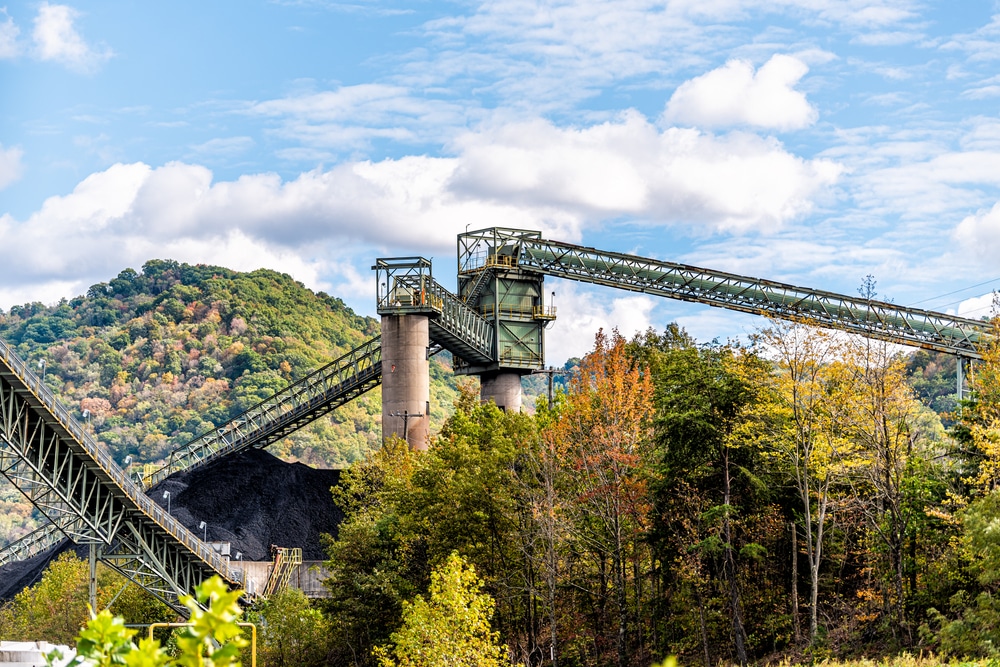
Mining companies also commonly use surface mines to find and extract coal from the Earth. This process can cause coal dust to enter the air and water, impacting health.  

Secondly, coal mining massively changes local landscapes. To reach underground seams, companies cut off mountain tops. The result is a litany of environmental concerns, ranging from human health issues to river damage, habitat destruction, and air pollution. 

Emerging Job Markets 

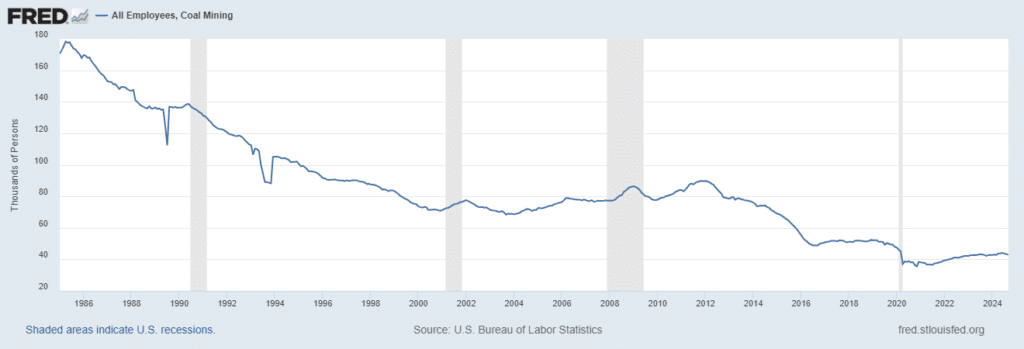
The U.S. Bureau of Labor Statistics (BLS) reports that coal mining jobs have dropped over 50% since January 2012. 

Coal’s decline coincides with the recent rise in renewable energy jobs across the United States. According to E2, a nonpartisan group, nearly 560,000 Americans work in renewable energy generation, up 14% since 2020. 

Job growth should remain strong throughout the rest of the decade as the U.S. invests in solar, wind, and other renewables. 

Economic Factors 

Not long ago, coal was one of the most cost-effective energy generation methods. 

However, the rise of low-cost natural gas, rapidly decreasing solar costs, and battery storage solutions have impacted coal. Divesting from coal becomes easier once the numerous tax credits and government programs driving renewable adoption get involved. 

The Government is Involved 

Thanks to government support, there is no shortage of programs to make renewable energy attractive. 

While the country moves closer to its net-zero carbon emissions goal, renewables will benefit from massive government investments. 

The Inflation Reduction Act introduced and extended several programs and incentives, including ITCs and PTCs. Solar installers can also access DSIRE to find state and utility incentives. 

Public Perception is Changing 

Although coal still has a role in America’s energy portfolio, many people, organizations, and government officials want cleaner energy. 

The reality is that coal jobs will likely continue dwindling. At the same time, new high-paying skilled jobs in solar and wind are coming in. For former coal towns, people can seamlessly move into a new, growing industry with a strong future. 

Three States, Three Stories 

Luckily, utility-scale solar isn’t strictly for sun-soaked states like California and Texas. 

For states like Wyoming, West Virginia, and Kentucky, the race is on to pivot from coal to solar and wind. Coal is a hallmark of their economies, but money, people, and technology are helping them push toward solar. 

Wyoming 

The leading coal-producing state has started building one of the nation’s largest solar farms. 

Wyoming is heavily involved in wind power, but solar is picking up steam. Currently, Wyoming ranks 46th in the nation for solar generation, per the SEIA, but recent developments will help the state evolve into a renewable energy powerhouse. 

Totaling 771 MW, Cowboy Solar I and II will feature 400 and 371 MW utility-scale solar farms, respectively. The sites will also include battery storage systems of 136 and 133 MW. 

Though the project is in its early stages, completing it would give Wyoming a massive shot of solar energy. 

Kentucky 

Kentucky ranks 43rd in the nation for solar generation but is a top-five coal producer.  

Recent projects could add more than 950 MW of solar to the state’s portfolio. Developers recently broke ground on a 160 MW solar project in western Kentucky that could power up to 120,000 homes. Called Unbridled, the project will be the state’s largest solar installation once it goes live. 

Another planned project on the eastern side of the Bluegrass State will soon be its largest by far. The 800 MW solar farm will begin construction in 2026 and could introduce hundreds of solar jobs to the region. 

The prospective site sits on the former Starfire Mine, and its flat terrain is perfect for solar panels. It also has most of the infrastructure for connecting to the larger grid and moving materials and people. 

West Virginia 

West Virginia has made several moves to add more solar energy by giving new life to former mines. 

A 250 MW solar farm located at an old mine began construction in 2022 and should be operational by the end of this year. Over the next five years, developers will start work on another 150 MW site with plans to complete it over the next decade. 

The excitement for solar in West Virginia has seeped into the private sector, too. Titanium Metals Corporation, an aerospace manufacturer, could eventually run on only solar power. Plans to build the 106 MW solar farm with a 50 MW battery system should kick off in 2025. 

The state is also home to groups like the Appalachian Climate Technology (ACT Now) Coalition, which represents 21 counties in West Virginia. Its mission is to introduce and promote clean energy jobs and projects where coal was once a major driver. Ultimately, the goal is to create new high-paying jobs in emerging industries. 

What Have We Learned? 

Developing a new industry where one didn’t exist is difficult but not impossible. 

Thanks to mining, coal states like Wyoming, West Virginia, and Kentucky have the tools needed to support solar energy. Their infrastructure is largely in place, the landscape easily supports solar, and many workers are available. And, once again, the states aren’t abandoning coal – they’re simply diversifying energy sources. 

The government also hasn’t lost sight of its own renewable energy goals. Federal and state governments have invested heavily in new technology by funding as many projects as possible. This support is critical for states as they switch from fossil fuels to clean energy generation. 

We can’t expect change to occur overnight, especially with an industry as ingrained in our culture as coal. But with investment, time, and continued effort, it’s possible to chart a new path forward.

Making the Case for Prefabricated Solar PV Wire Solutions

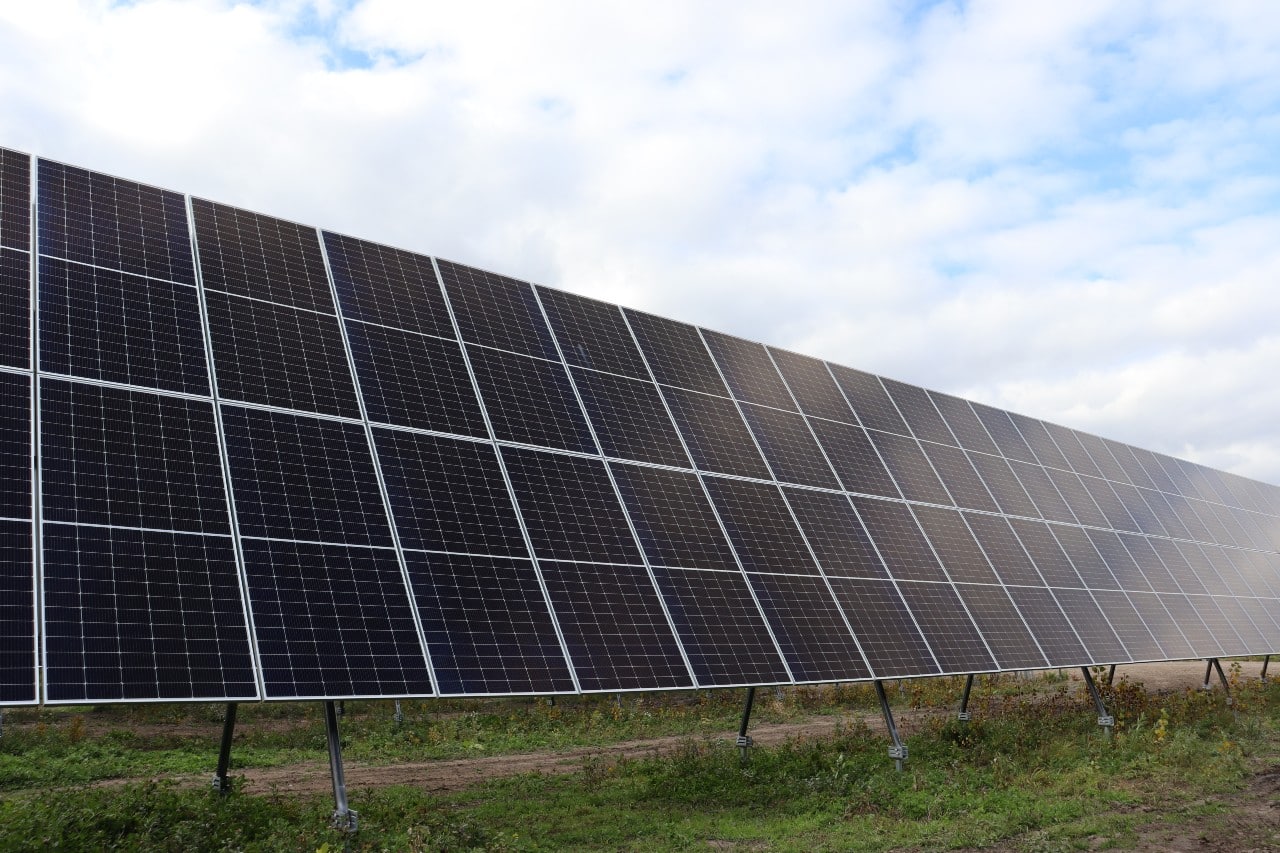
Driving past a solar installation sometimes feels daunting. Arrays can have dozens of rows of panels, stretching on for what feels like miles. 

Not only are some solar energy projects massive, but they’re also complex. Companies have hundreds of variables to consider, and the process takes years from initial planning to completion. They also cost millions of dollars between installing solar panels, securing permits, doing tests, and paying employees. 

Solar EPCs always try to manage costs, reduce installation times, and produce better results. While hard costs like solar panels and PV wire have fallen over the years, soft costs like permitting, taxes, and labor haven’t shown the same decline. 

How can companies save money on soft costs? The answer may be found in the wire holding everything together. 

Small Cost, Massive Impact 

When we look at the total cost of a utility-scale solar energy system, PV wire is low on the list. 

However, choosing the right solar wire can save time and money on your solar project installation. For example, prefabricated wires have a higher upfront cost but slash installation times. 

So, how do bundled, prefabricated solutions make the most of their engineering to save time and money? It all comes down to ease of use, consistency, and automation. 

When combined, teams can shave hours and dollars off their projects without additional effort. 

Why Do Installers Choose Pre-Fab Solutions? 

Despite all the planning and effort, sometimes you get what you pay for. 

Using single PV cables for a rooftop solar system is fine, but they can slow a utility-scale project to a crawl. Bundled pre-fab cables remove constant trips up and down each row, replacing them with one pass. 

For the average project, not making multiple trips shaves hours off each row and days off a project. But beyond faster installations, why are solar companies choosing pre-fab wire products? 

Wires are Pre-Cut and Factory Assembled 

What is the difference between a pair of jeans purchased off the rack and a custom-tailored pair? 

Jeans from the store come in many sizes, but they only offer a general fit. Meanwhile, custom-tailored jeans are specifically manufactured to fit you and only you. The same concept applies to buying single wire reels versus pre-fab bundled wire. 

Manufacturers cut pre-fab bundled cable to specific lengths matching the project’s layout, preventing wasted wire. The manufacturer also properly installs connectors, performs quality control testing, adds labels, and mounts the cable to reels. 

Not only are the manufactured cables ready to install as soon as they reach the job site, but workers don’t have to cut, crimp, or install connectors themselves. 

Less Room for Mistakes 

Employees on the job site often have varying skill levels and experience. 

Small mistakes, like a loose connection, can have dangerous implications. Fires, arcs, and shorts may cause severe damage and cost hundreds of thousands of dollars to repair or replace. 

Factory testing eliminates many issues before installation occurs. The manufacturer is also much more consistent than multiple workers on the job site. 

The other thing installers like about pre-fab wire solutions is the exact measurements used to cut each wire to length. Single wire reels often create waste during installation. Despite the higher cost, pre-fab solutions limit scrap and speed up installs because workers can immediately use them. 

Building on Labor Savings 

Pre-fab solar power cables help workers make fewer mistakes, but do they make installers faster?  
 
Instead of walking cables one at a time down the row to each solar panel, installers make one trip with all the cables. Once they reach the end of the row, they walk back down and connect each wire in the bundle to its corresponding panel. Customers can have cables marked as well, further reducing accidents and miscommunication. 

Pre-fab solutions, including bundled wire, limit opportunities for mistakes. The faster speeds also reduce labor costs dramatically, sometimes by as much as 80%.

Besides allowing works to move more swiftly on the worksite, pre-fab solutions also make solar installation teams more efficient. In many states, including those across the Northeast, solar projects ramp up in the spring and slow down toward the end of fall for the winter season. The ebb and flow of project seasonality, which is a challenge for many solar companies. 
 
When teams are using pre-fab bundled wire, projects are completed more quickly with fewer people. In turn, crews can work on more jobs during the busy season, and companies benefit from better labor allocation and shorter ramp-up and ramp-down times. 

Safer Installs 

Prefabricated PV wires are easier to work with, simplifying the job. 

Think about field-made connectors for a second. Depending on the workers’ experience, they could make mistakes as they strip, crimp, and attach connectors to the wires. While issues may not appear immediately, they could develop over the long term, limiting power generation. 

Bundled solutions remove the guesswork from the installation process. Workers only attach the connectors to the panels and the combiner box to power the system. 

Beyond being easy to use, prefabricated bundled wire is also cleaner, as there’s only one bundle of wires to worry about. The result is an organized installation with fewer mix-ups and nicer-looking outcomes free of tangled wire. 

Short- and Long-Term Savings 

Pre-fab wire solutions like bundled cable cost more than single cable options but save time and money on labor. 

Single wire reels work for small residential solar panel systems but bog down larger projects, like utility and community solar. Running single-wire reels is inefficient, more error-prone, and opens the door for waste. 

Combining the wires for a row together shortens installation times and gets workers on and off the site faster. Best yet, potential savings increase as the projects get bigger. 

Bundled Wire Leads to Better Installs 

The United States relies on clean energy more than ever, so investing in solar improvements is critical. 

Solar array technology has improved dramatically, from bifacial panels and tracking systems to more effective connectors and accessories. The same can be said for PV wire, too. 

Bundled PV wire solutions allow employees to do better work faster. Solar installations can then produce energy sooner, leading to lower electric bills for communities and businesses. 

That’s good news for everyone.

5 Solar Trends We’re Watching in 2022 and 2023

The solar industry is growing by leaps and bounds, leaving many to wonder what the next phase of growth might look like and when it could arrive. 

President Joe Biden has expressed the need for more renewable energy to meet the country’s ambitious environmental plans. The ultimate goal is to move to a completely decarbonized energy sector by 2050, but the United States will need a massive boost from its sustainable energy producers like wind, hydro, and solar power. 

So what exactly does the future look like for solar? We’ve highlighted the five biggest solar power trends we think will influence the rest of this year and into 2023, and it’s a mixed bag. Some of what we’re seeing is incredibly encouraging, while other aspects give us some reason for short-term concern. 

From the supply chain to overseas tariffs, these are the five biggest trends we’re watching this year. 

The Supply Chain is Dictating Solar Costs 

Unfortunately, the world has not recovered from the COVID-19 pandemic nearly as quickly as we had hoped for. 

China’s on-again-off-again lockdowns have caused starts and stops in many manufacturing supply chains, resulting in lower availability of goods. Labor issues in the U.S. mean there aren’t enough dock workers and truck drivers to move raw and finished materials from ports, creating additional supply chain bottlenecks. 

The lack of manufacturing production combined with less labor means that are fewer products available, leaving companies and utilities scrambling to source everything from solar panels and batteries to copper wire. These unintended shortages and delays have put the brakes on some utility solar projects, with some utility scale solar projects facing delays ranging from a couple months to next year. 

According to the SEIA, solar prices were up 18% in 2021, though the spike can’t solely be attributed to a shaky supply chain (more on this topic later). The organization went on to say that about one-third of 2021’s Q4 capacity was delayed by a quarter, while about 13% of capacity slated for this year has been pushed back at least a year, or cancelled entirely. 

The supply chain’s struggles are now becoming the entire industry’s problems. Short-term solar forecasts are down by nearly 20%, and reports suggest the industry could grow about 25% less than expected this year. 

It’s not all bad news. Even with the pandemic, utility scale solar power costs dropped going into 2021, falling by about 12%. Short-term spikes in the cost of materials, including those used to make the panels, threaten to erase those cost savings, though relief seems to be on the way from the Biden administration. 

The Solar Industry Is Dealing with Tariffs Galore 

For several years, China has found itself the subject of anti-dumping regulations from the U.S. Simply put, dumping is what happens when a company offloads its product in another country for much cheaper than they would in their home country. According to the U.S., companies in China has been selling their solar technologies at a very low cost, making it harder for companies domestically to compete. 

To fix the issue, the U.S. assigned tariffs to Chinese and Taiwanese solar panels in 2014, increasing prices by 50%. Chinese companies, though, may have used a loophole to avoid tariffs and still get their products into the U.S. by establishing companies in other countries like Malaysia, Thailand, Vietnam, and Cambodia and sending products to the U.S. tariff-free. 

Today, more than 80% of the most popular solar modules come from those four countries. That means most of the panels used on utility sites in the U.S. are primarily coming from Asia, and most likely from a China-based company. In 2018, then President Trump instituted tariffs to increase the cost of manufactured products coming in from those countries. 

Most recently, the U.S. Department of Commerce began looking into solar cell imports from Malaysia, Thailand, Vietnam, and Cambodia to assess whether dumping had occurred, but in early June, President Biden issued an announcement that it wouldn’t impose new tariffs on solar imports for two years. The move is expected to help get utility solar projects across the country back on track as soon as possible. 

Long-term Solar Costs Will Decrease 

Solar is already among the cheapest energy producers available today, but as production costs continue to drop and panel prices become cheaper and more efficient, it could open up more avenues to expand solar systems across the country. 

As recently as 2020, electricity produced by utility-scale solar cost about 5 cents per kWh. The cost dropped to 3.5 cents per kWh in the most optimized regions. The hope is that solar panels become more efficient, while the costs of modules and BOS systems keep dropping. 

So far the trend has held up. From 2010-2020, the cost of a utility PV solar system dropped by more than 80%. Despite a short-term increase in prices due to the pandemic, supply chain issues, and tariff concerns, overall trends show on-site project costs continuing to fall as more efficiencies are found. 

For its part, Sun-Pull Wire is continuously working to revolutionize how PV wire is installed on utility scale systems. Sun-Pull’s cable solution, for example, cuts down on overall labor costs and project time by allowing a team of 3 to 4 people to install 1mW of string PV wire per day. Compared to single wire pulls, Sun-Pull’s PV wire can cut installation times by nearly 80%. 

Faster installation times means more work gets done faster, increasing overall productivity of on-site teams, which helps companies address labor shortages or take on more projects with the labor they have. 

Labor Shortages Are a Threat 

Like many industries, solar energy is also facing a worker shortage. 

Projections for the solar industry are positive, with estimates suggesting 1.5 million people could be employed by 2035, but in 2020 the industry only clocked about 231,000 workers – less than before the pandemic. To meet the Biden administration’s aggressive clean energy goals, it’s estimated that solar companies will need to employ about 900,000 workers. 

With that said, productivity was still up and the hope is that the industry will continue its rapid ascent as more companies come online. As more projects are completed and adding power to the grid, SEIA believes annual growth will stay strong, but is somewhat dependent on the supply chain. Despite a shaky supply chain, the group says there is a lot of demand for solar and it will remain popular in the coming years. 

The U.S. Bureau of Labor Statistics (BLS) agrees. As the country moves away from traditional fossil fuels for energy, the agency says solar, wind, and other renewables will need to step up to fill the gap. 

The industry is also moving quickly to meet anticipated demand. Companies like Sun-Pull are solar innovators, finding ways to create cost savings for solar workers and energy providers. Sun-Pull’s bundled cable solutions allow even inexperienced workers to move more quickly and install PV wire to panels much faster than traditional single-pull methods. 

Faster set-ups mean fewer people are needed on the job site, saving time, money, and manpower along the course of each utility-scale PV wire project. 

Better PV Modules and Outputs Are Coming 

In 2021, utility-scale solar produced nearly 114 million kWh, reflecting nearly 30% growth over the previous year. We expect outputs to keep increasing as more projects are added to the grid. 

This coincides with other advancements in solar technology meant to increase energy production and efficiency. So far, the highest efficiency a solar panel has recorded is 47%, though most solar panels on the market today hover in the 20s. However, multijunction solar cells tend to perform better than other types. 

Increasing efficiency is an important aspect of reaching our energy goals and there are several ways to make it happen. This can be done in a few different ways: 

  • Better thermal management – This will help solar panels perform better in colder environments. 
  • Minimize reflection – This requires non-reflective colors and coatings or using a textured surface to keep prevent solar rays from bouncing. More captured light means more efficiency. 
  • Reducing recombination – Recombination occurs when electrons return to their regular valence band. Companies can reduce recombination by cutting down panel impurities and other defects. 

Where Does Solar Go from Here? 

The goal is for solar energy to eventually replace traditional power plants. While it’s certainly within reach, the industry has some catching up to do. 

Solar PV energy is here to stay. Like wind, the Sun is an ultimately renewable resource that has the potential to create an incredible amount of electricity, especially in areas where the sun shines consistently. It also stands to benefit from continued enhancements, making panels and systems more reliable, efficient, and longer lasting. 

Recent actions, including a moratorium on new tariffs, will go a long way toward making life a bit easier for solar companies. With fewer roadblocks and a slowly improving supply chain, the entire solar industry is poised for massive growth in the coming years. 

We’re excited for the future and can’t wait to be a part of the solar revolution!